
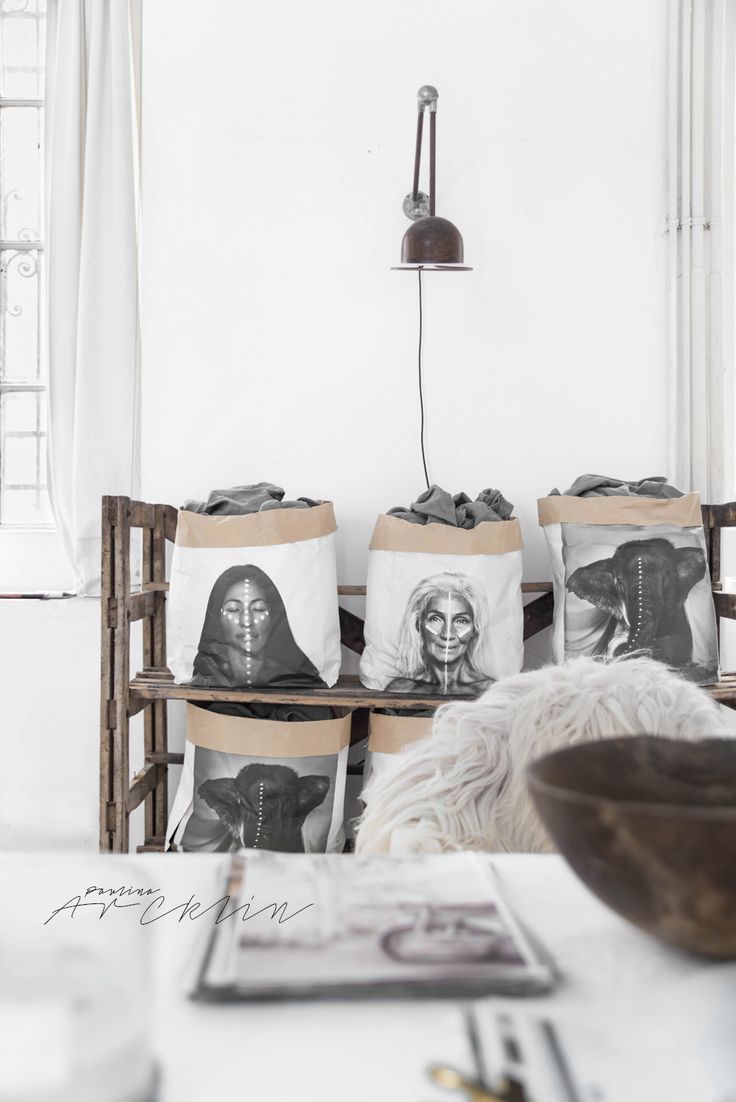
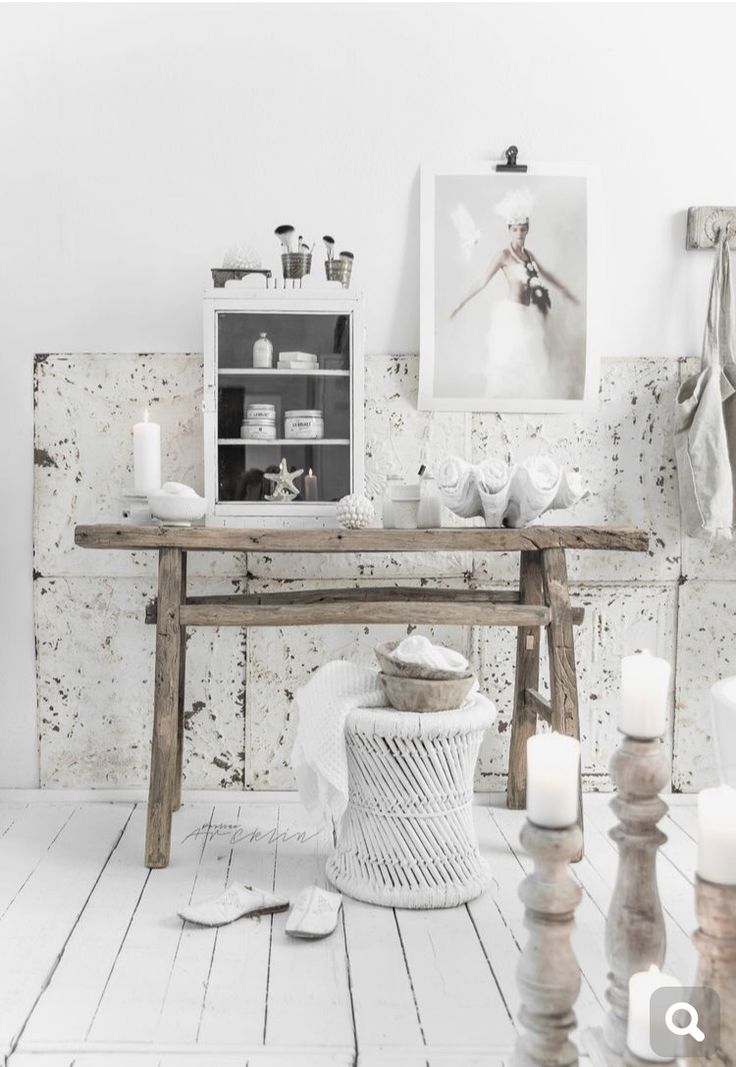
Black and white portrait art holds a unique and timeless appeal that transcends trends and technological advancements. In an era where vibrant, high-definition colors dominate, the monochromatic palette of black and white art offers a striking contrast. This classic form of portraiture strips away distractions, leaving only the essence of the subject and the artistry of the creator.
The Essence of Simplicity
One of the most compelling aspects of black and white portrait art is its simplicity. By removing color, artists focus on the fundamental elements of composition, light, and shadow. This simplicity allows for a deeper connection with the subject, as viewers are drawn to the raw emotion and intricate details that might be overlooked in a colored piece.
In black and white portraits, every line, wrinkle, and expression is accentuated. The play of light and shadow becomes more pronounced, creating a dramatic effect that can evoke powerful emotions. This technique can transform even the most ordinary scenes into extraordinary works of art, highlighting the beauty in the mundane.
Historical Significance and Modern Appeal
Black and white portraiture has a rich history, dating back to the early days of photography. Pioneers like Ansel Adams and Dorothea Lange used monochrome photography to create iconic images that still resonate today. Their work demonstrated the power of black and white imagery to convey deep emotions and tell compelling stories.
In the modern era, black and white portraits continue to captivate audiences. Contemporary artists and photographers often choose this medium to stand out in a saturated market. The nostalgic charm of black and white photography, combined with modern techniques and equipment, produces stunning results that appeal to both traditionalists and modern art enthusiasts.
The Artistic Process
Creating a black and white portrait requires a unique approach. Artists must consider the interplay of light and dark, the texture of the subject’s skin, and the overall composition. Without the use of color, they rely heavily on contrast to create depth and dimension.
Photographers, in particular, must pay close attention to lighting. Natural light can create soft, flattering shadows, while studio lighting allows for more control and precision. Post-processing techniques also play a significant role in enhancing the final image. Adjusting contrast, brightness, and sharpness can transform a good photograph into a masterpiece.
For traditional artists, such as painters and sketch artists, the medium used can greatly influence the final outcome. Charcoal, graphite, and ink are popular choices, each offering different textures and effects. The tactile nature of these materials allows artists to create rich, detailed portraits that capture the essence of their subjects.
Emotional Impact
Black and white portraits have a unique ability to evoke emotion. The absence of color directs the viewer’s attention to the subject’s eyes, expressions, and gestures, which can convey a range of feelings from joy to sorrow, contemplation to excitement. This emotional depth is why black and white portraits often feel more intimate and personal.
Moreover, the monochromatic palette can lend a timeless quality to the artwork. Without color to date the image, black and white portraits can feel both historical and contemporary, connecting the past and present in a seamless blend.
Conclusion
The allure of black and white portrait art lies in its timeless elegance, simplicity, and emotional depth. Whether through photography or traditional art forms, black and white portraits capture the essence of their subjects in a way that color often cannot. As both a historical art form and a modern expression, black and white portraiture continues to inspire and captivate, proving that sometimes, less truly is more.