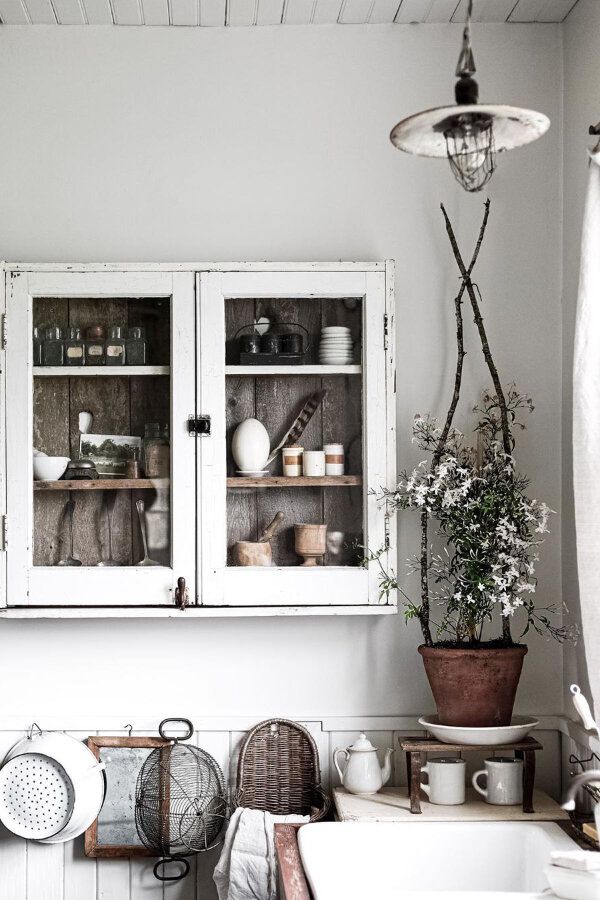
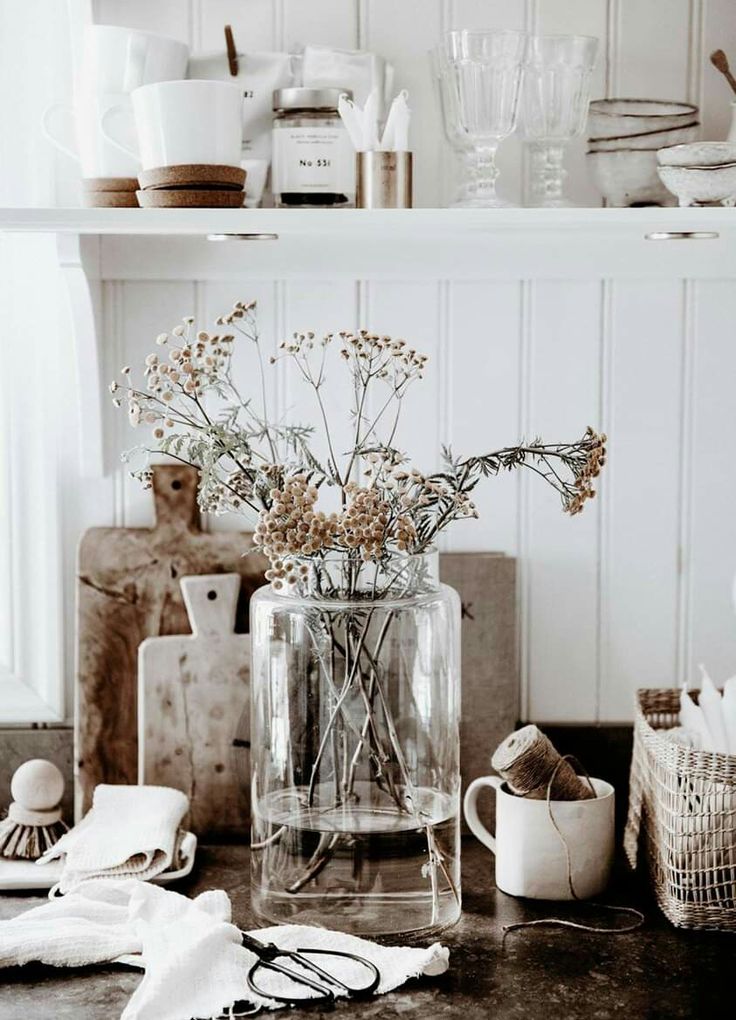
Spring decorating usually follows a predictable script: a bunch of supermarket tulips, a few sprigs of baby’s breath, and a palette of sugary pastels. While there is a time and place for the classics, an elegant eclectic home demands something with more soul—something slightly “offbeat” and inherently European.
Think of the effortless, slightly wild arrangements found in a Parisian atelier or a rustic villa in the Tuscan countryside. These aren’t perfectly symmetrical domes; they are sculptural, textured, and a little bit moody.
Here is how to break the spring mold using unexpected blooms, architectural dried elements, and the European art of “the beautiful mess.”
The European Philosophy: Sophistication in the Strange
In European design, beauty is often found in the irregular. When it comes to florals, this means choosing “offbeat” flowers that have interesting “elbows” (stems that curve), strange colors (dusty mauves instead of hot pinks), or a lifespan that transitions beautifully into a dried state.
The goal is to create a “living sculpture” rather than just a centerpiece.
Phase 1: The “Living” Offbeat Blooms
To move away from the “boring” spring look, you need flowers with personality. Look for blooms that feel a bit more rare or possess a strange, structural beauty.
What to Hunt For:
-
Fritillaria (Snake’s Head): These are the ultimate offbeat spring flower. Their bell-shaped heads are covered in a checkered, purplish-grey pattern that looks hand-painted. They hang low and moody, perfect for a vintage stoneware vase.
-
Hellebores (Lenten Roses): Unlike upright tulips, Hellebores bow their heads. They come in “muddy” shades of burgundy, dusty green, and speckled cream. They feel ancient and sophisticated.
-
Icelandic Poppies: Their stems are “wonky” and covered in tiny hairs, and their petals look like crumpled silk. They bring a frantic, artistic energy to a room that a standard rose simply cannot match.
Phase 2: The Architectural “Dried” Element
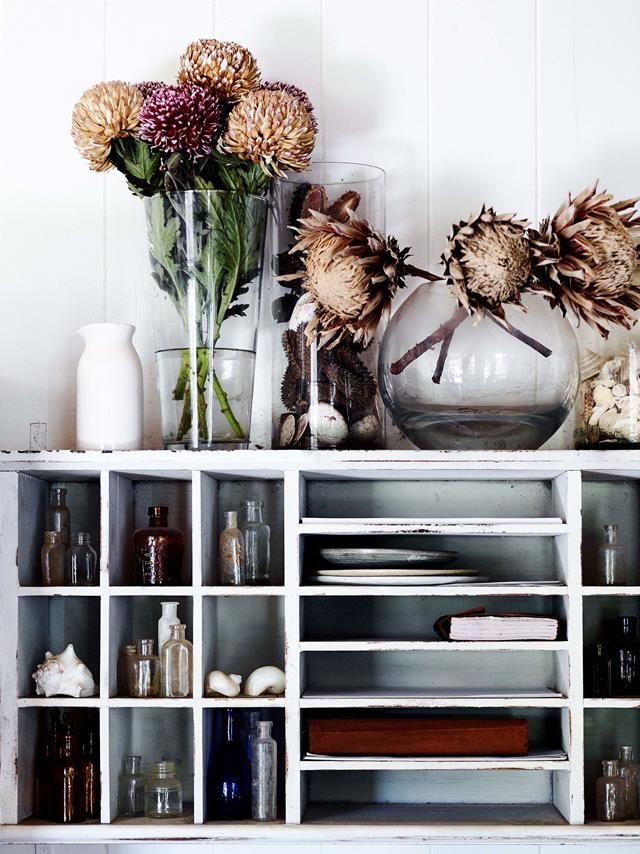
In an elegant eclectic home, spring doesn’t just mean “new life”—it means a mix of life and history. Mixing dried flowers into your fresh spring arrangements adds an immediate European edge. It stops the look from feeling too “Easter” and moves it into “High Design.”
How to Execute:
-
Bleached Ruscus: These dried, leafy stems have a ghostly white appearance. Tucking a few into a bouquet of deep purple Fritillaria creates a high-contrast, “midnight” spring look.
-
Dried Allium Heads: These look like giant, skeletal dandelions. They add massive architectural scale to a tall floor vase without the maintenance of fresh water.
-
Preserved Eucalyptus: Choose the “Silver Dollar” variety in a deep, desaturated green. It provides a dusty, historic backdrop for your brighter spring pops.
Phase 3: The “Offbeat” Vessel
The vase is 50% of the design. To achieve that European feel, avoid the standard clear glass cylinder. Instead, look for materials that have a history.
The Eclectic Vase Kit:
-
Stoneware & Terracotta: A chipped, vintage confit jar or a heavy stoneware crock provides the perfect “grounding” for delicate spring poppies.
-
Deep Black Accents: As we’ve discussed before, black is the anchor. A matte black ceramic vessel makes the neon-orange of a poppy or the checkered-purple of a fritillaria look incredibly expensive.
-
Mismatched Bud Vases: Instead of one big bouquet, place a single “weird” flower in five different mismatched vintage bottles along a mantel. It creates a gallery-like experience.
The Secret Layer: “The Beautiful Mess”
The most European thing you can do for your spring decor is to stop over-arranging.
-
Embrace the Lean: If a poppy stem wants to droop over the side of the vase, let it. That “elbow” is what gives the arrangement its artistic soul.
-
Odd Numbers: Always work in threes or fives. Even numbers look like a store display; odd numbers look like a curated accident.
-
The Drop-In: Take a handful of assorted offbeat blooms and simply “drop” them into the vase. Don’t worry about the heights being perfect. The more it looks like you just gathered them from a wild European meadow, the more elegant it becomes.
Final Thought: The Palette of the Unusual
Spring doesn’t have to be just pink and yellow. Try a palette of Ochre, Dusty Plum, and Sage Green. This “offbeat” color story feels fresh for the season but retains the gravity and maturity of an elegant, eclectic home.