The clawfoot tub is an undisputed icon of vintage luxury, but it often gets trapped in a predictable cycle of pastoral cottages, soft neutrals, and overly sweet antique styling. When you strip away the fussy lace and pale pastels, however, the silhouette of a classic roll-top tub holds incredible sculptural weight.
Giving this heirloom centerpiece an unapologetic edge isn’t about discarding its historic heritage—it’s about creating sharp contrast, unexpected textures, and a moody, rebellious attitude.
Here is how to take a classic clawfoot tub and push it squarely into high-impact, edgy design territory.
1. Ditch the Porcelain White: Go Pitch-Black or Raw Cast Iron
The fastest way to redefine a clawfoot tub is through color and texture:
-
The Matte Charcoal or Jet Black Shell: Painting the exterior of a vintage cast iron tub in an ultra-flat matte black instantly modernizes its profile. Against white ceramic tile or raw concrete, the deep saturation turns the curves of the tub into a graphic focal point.
-
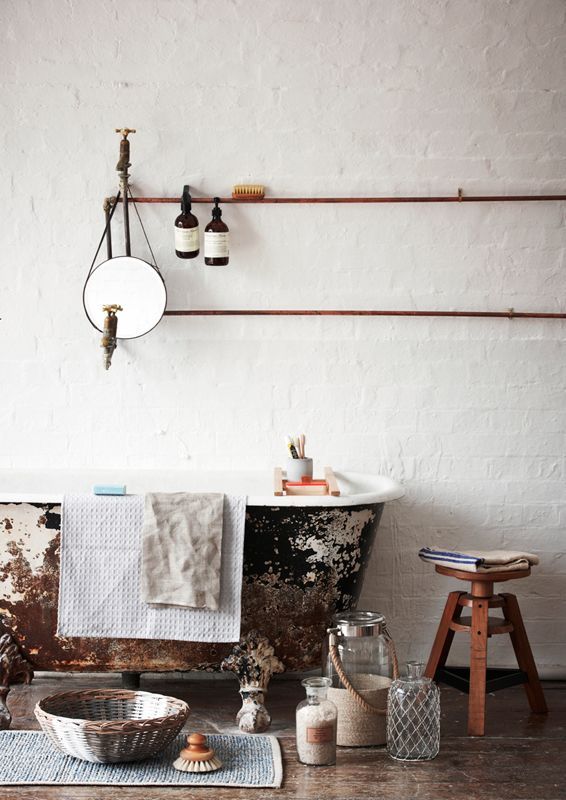
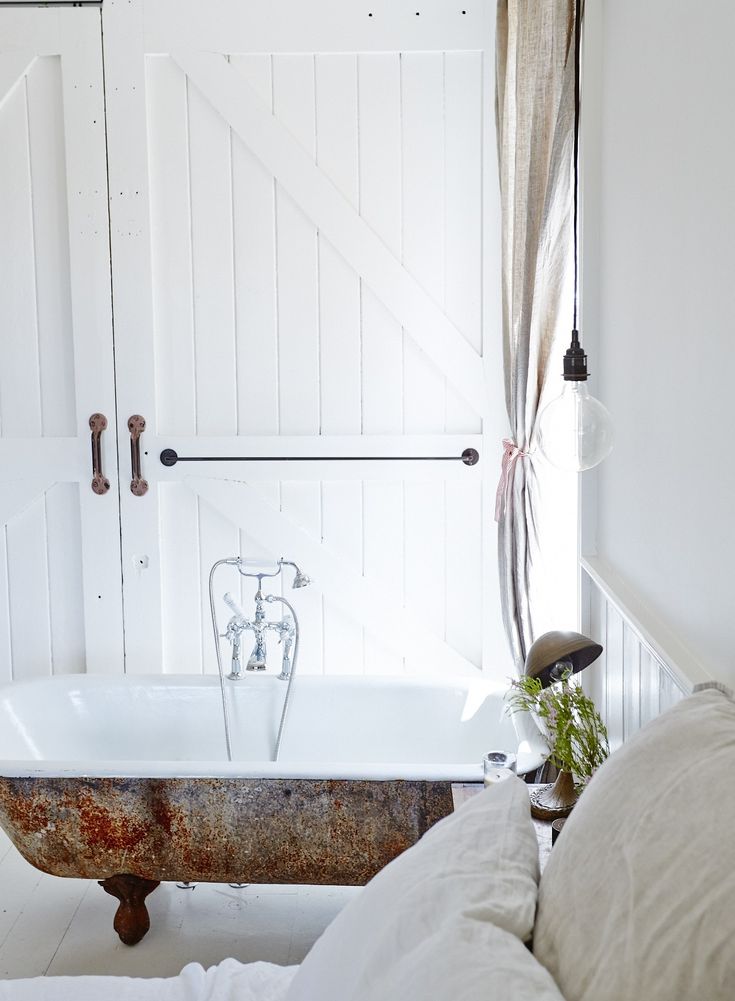
Raw, Exposed Metal: Skip the paint entirely and seal stripped cast iron or hand-hammered copper. The industrial patina, subtle pitting, and deliberate imperfections deliver an authentic, workshop-inspired grit that counters standard pristine showroom finishes.
-
Contrasting Hardware: Don’t settle for dainty polished chrome. Pair a dark basin with unlacquered living brass that tarnishes over time, blackened steel, or oil-rubbed bronze floor-mounted exposed pipe fillers.
2. High-Contrast, Dark Architectural Backdrops
A bold tub needs a backdrop with equal gravitas. Instead of classic subway tile with white grout, lean into saturated, tactile surfaces:
-
Zellige & Dark Fluted Tile: Dark emerald, midnight navy, or ink-black hand-cut Moroccan Zellige tiles catch low light irregularly, adding a moody, handcrafted gleam behind a freestanding tub.
-
Raw Concrete & Microcement: Seamless concrete walls or rough stone slabs create an austere, brutalist foundation that makes the classic Victorian curves pop with unexpected tension.
-
Maximalist, Noir Wallpaper: An oversized, moody botanical or dark baroque pattern on moisture-resistant paper brings instant gothic elegance to a powder room or master ensuite.
3. Industrial Infrastructure & Exposed Plumbing
Part of the charm of traditional tubs is their freestanding plumbing, which makes them prime candidates for industrial styling:
-
Floor-to-Ceiling Pipework: Instead of concealing the supply lines inside the wall, embrace exposed, oversized pipework that travels vertically to high-mounted faucets or rain heads.
-
Caged Fixtures and Smoked Glass: Balance the room with industrial lighting—think wire-cage pendants, articulated blackened brass sconces, or filament bulbs with ribbed smoked glass.
-
Black Steel Framing: Place the tub beside a floor-to-ceiling blackened steel and fluted glass shower screen to cleanly partition the wet zone without muting the tub’s presence.
4. Curated Styling with Unconventional Elements
Finish the space with accents that resist typical spa tropes:
-
Abstract Art Over Floral Prints: Hang a large, framed abstract canvas or high-contrast monochrome photography near the tub rather than timid decorative prints.
-
Worn Wood & Brutalist Stools: Swap delicate chrome caddies for a primitive scorched-wood (Shou Sugi Ban) stool or a chiseled monolithic concrete side table to hold bath essentials.
-
Lush, Architectural Foliage: Instead of delicate tabletop succulents, bring in deep-toned foliage—like an oversized fiddle leaf fig, dark rubber tree, or trailing snake plant set in an unglazed terracotta or oxidized iron planter.
The New Rule of Classic Design
Timeless pieces survive because they are adaptable. Pulling a traditional clawfoot tub out of the farmhouse and placing it into a moody, architectural environment proves that historic craftsmanship doesn’t have to feel dated. When treated with raw materials, deep color palettes, and bold hardware, it transforms into an artful statement piece with true staying power.