
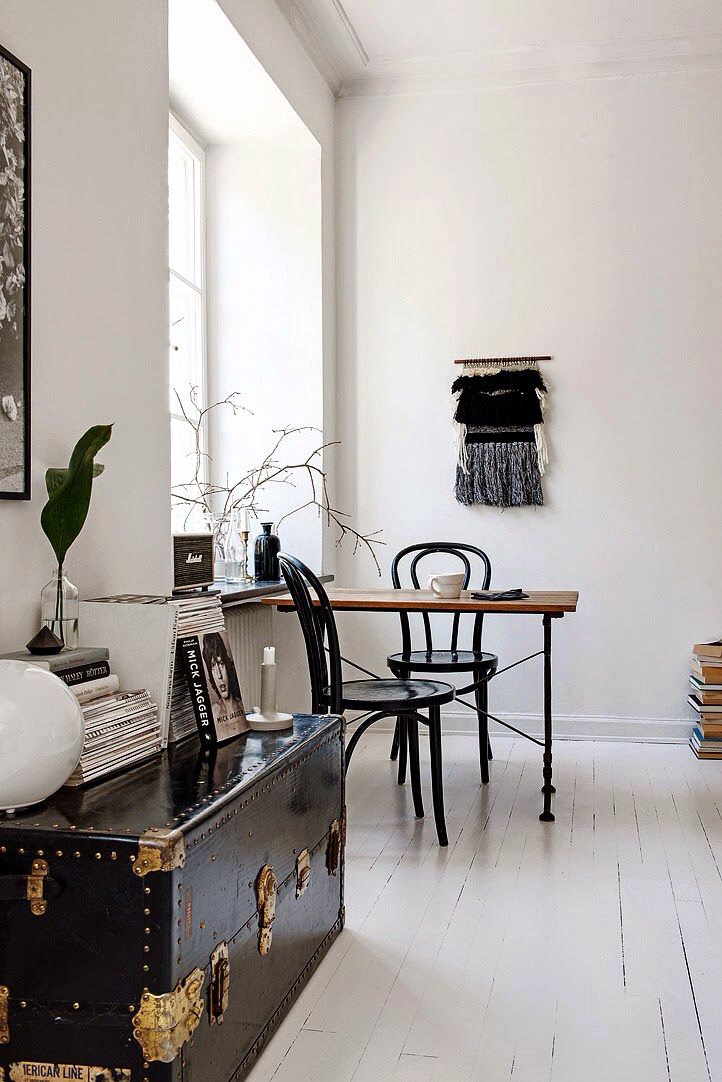
In the world of design and creativity, moodboards play a crucial role in visualizing ideas and setting the tone for projects. Whether you’re redecorating a space, planning a wedding, or launching a brand, a well-crafted moodboard can serve as an essential tool for inspiration and direction. In this blog post, we’ll delve into the art of creating curated and collected moodboards, offering tips and tricks to help you bring your visions to life.
What is a Moodboard?
A moodboard is a visual collage that brings together various elements such as images, colors, textures, and typography to convey a specific style or concept. It acts as a creative roadmap, helping you stay focused on your aesthetic goals and communicate your ideas effectively to others.
The Difference Between Curated and Collected Moodboards
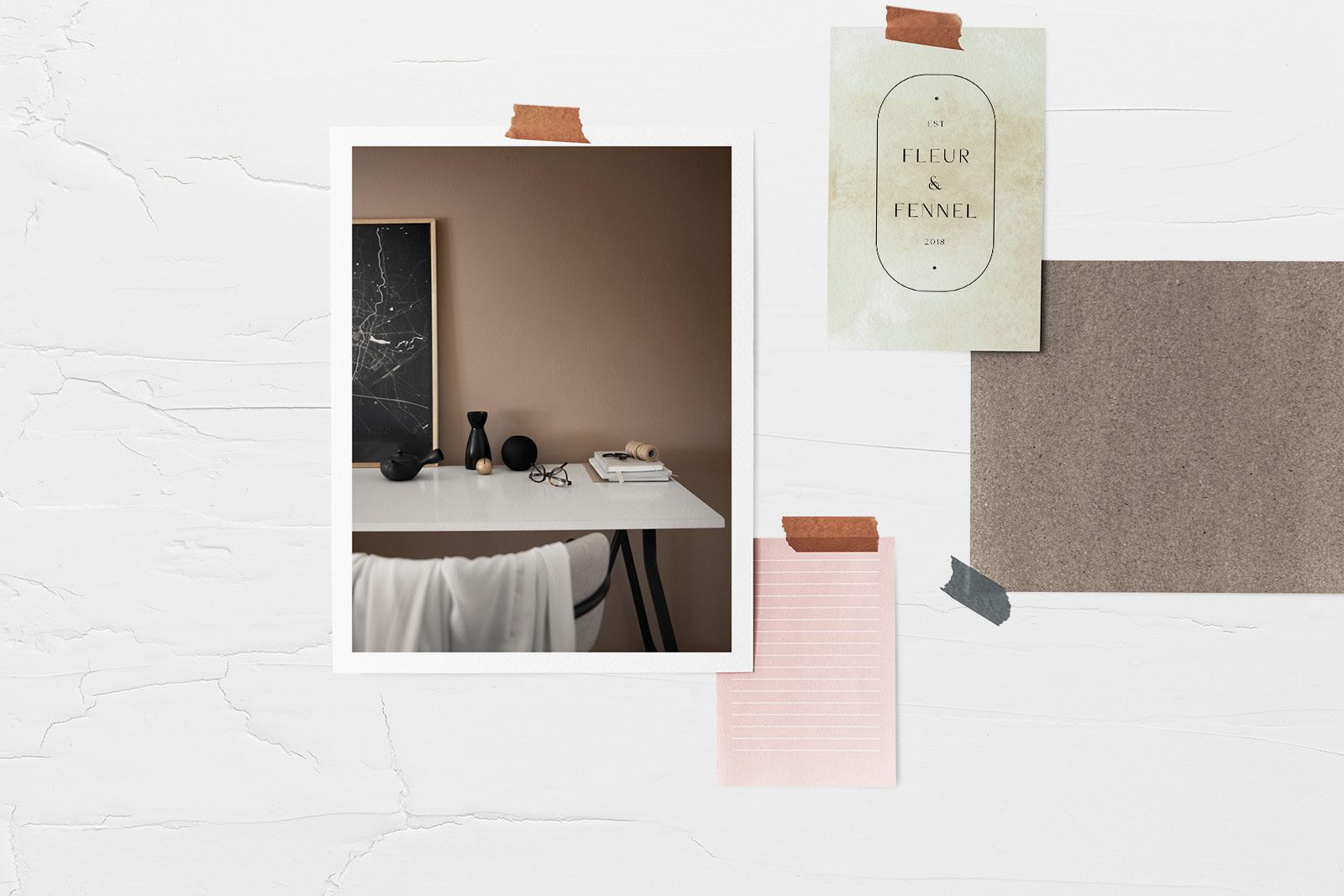
•Curated Moodboards: These moodboards are carefully selected and organized to reflect a cohesive and polished aesthetic. They often focus on a specific theme or style, using high-quality images and well-matched elements to create a harmonious look. Curated moodboards are perfect for presenting a clear and professional vision.
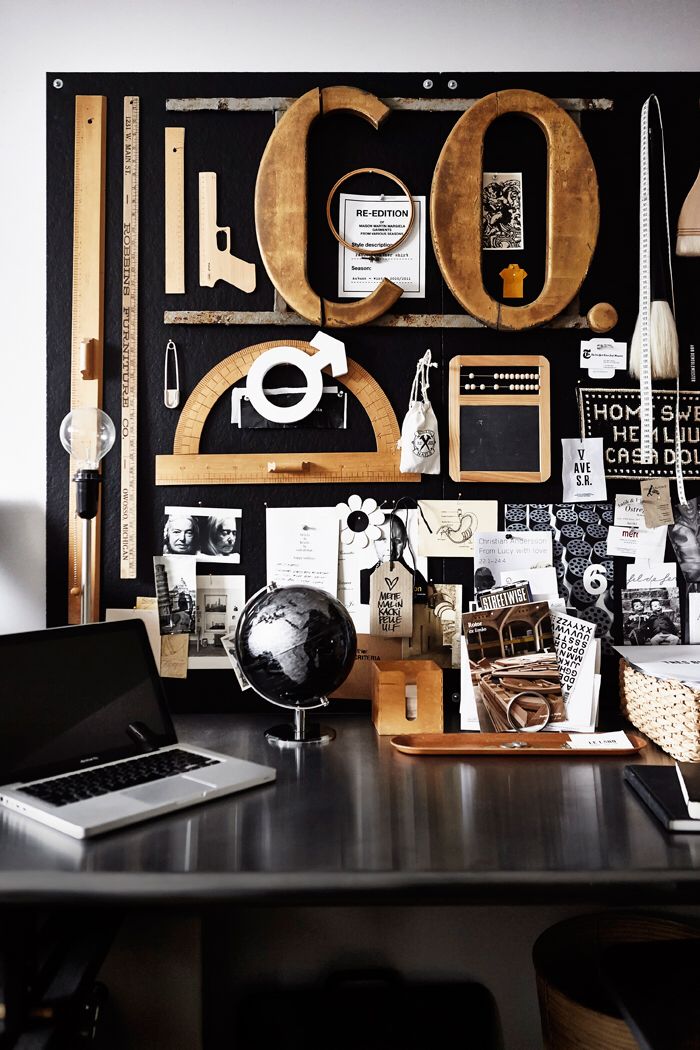
•Collected Moodboards: These moodboards are more eclectic and spontaneous, incorporating a diverse mix of elements that may not initially seem to match. They reflect a more organic and evolving process, capturing the essence of inspiration as it strikes. Collected moodboards are great for exploring ideas and discovering unexpected connections.
Steps to Create Your Moodboard
1. Define Your Purpose
•Before you start gathering materials, determine the purpose of your moodboard. Are you planning a new interior design project, developing a brand identity, or organizing an event? Understanding your goal will guide your choices and keep your board focused.
2. Gather Inspiration
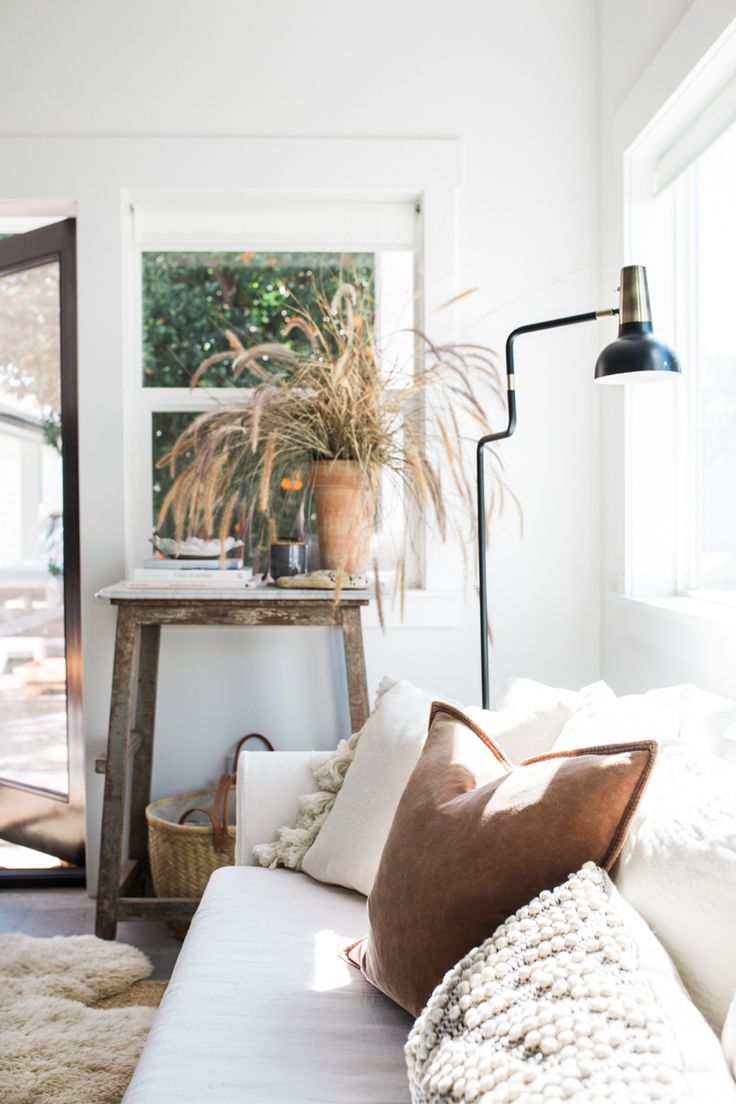
•Collect images, color swatches, fabric samples, and other materials that resonate with your vision. Use magazines, online resources like Pinterest, and personal photos to find inspiration. Don’t be afraid to think outside the box and include a variety of sources.
3. Organize Your Elements
•For a curated moodboard, arrange your elements neatly and thoughtfully, ensuring a cohesive look. For a collected moodboard, feel free to overlap and layer your materials, allowing them to interact in a more dynamic way.
4. Edit and Refine
•Once you have all your materials in place, step back and evaluate your moodboard. Remove anything that doesn’t fit your vision and make adjustments to enhance the overall aesthetic. The goal is to create a board that clearly conveys your concept and inspires further development.
5. Use Digital Tools
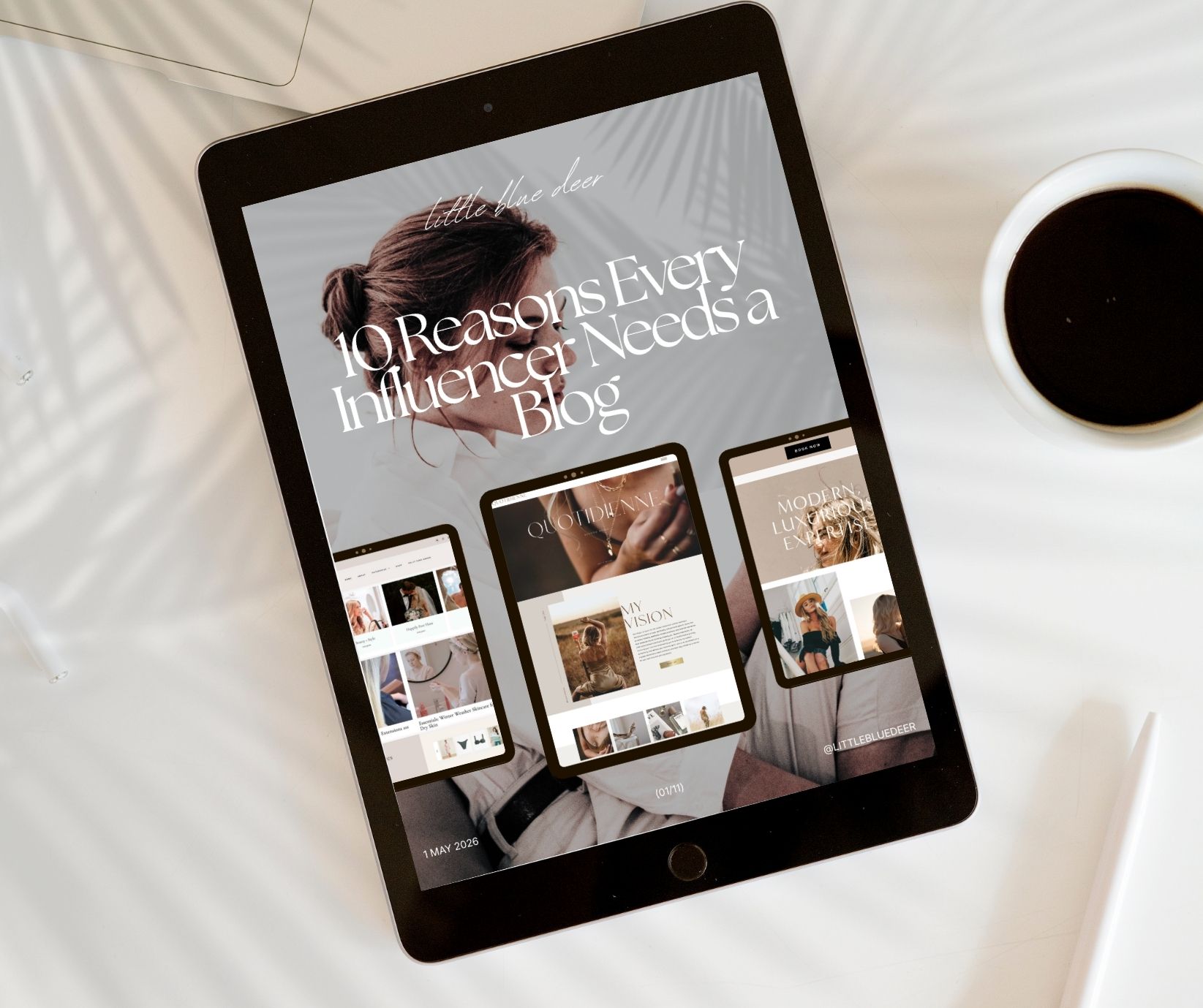
•Consider using digital tools like Canva, Adobe Spark, or Milanote to create your moodboard. These platforms offer templates and features that make it easy to arrange and edit your elements. Digital moodboards are also easy to share and collaborate on with others.
Creating curated and collected moodboards is an invaluable exercise in the creative process. By thoughtfully gathering and organizing your inspirations, you can clarify your vision and communicate your ideas with confidence. Whether you prefer a polished, cohesive look or an eclectic, evolving collage, moodboards are a powerful tool for bringing your creative projects to life.