When you hear “Baroque romantic,” images of gilded cherubs, velvet drapes, and an abundance of lace might spring to mind. While beautiful, this opulent style can quickly veer into overly feminine or cutesy territory, which isn’t for everyone. But what if you could harness the drama, richness, and historical charm of Baroque romance without the saccharine sweetness? It’s entirely possible to infuse your home with this sophisticated aesthetic, balancing its inherent grandeur with a modern, gender-neutral sensibility.
The key lies in selective application, unexpected pairings, and a focus on texture and form over frill.
The Essence of Baroque Romance (Reimagined)
Forget the excesses of rococo. Baroque is about boldness, theatricality, and a sense of weighty elegance. To make it work in a contemporary, less overtly feminine way, focus on:
- Darker Palettes: Move beyond pastels. Embrace deep jewel tones like emerald green, sapphire blue, ruby red, or rich plum, often set against charcoal, black, or deep taupe. These colors immediately add a sophisticated, almost moody, drama.
- Rich Textures (Unfussy): Velvet is a Baroque staple, but choose a deep, matte velvet for upholstery or cushions rather than a shiny, crushed version. Think weighty silks, brocades with subtle patterns, dark leathers, and polished dark woods. Avoid excessive ruffles or overly delicate lace.
- Dramatic Silhouettes (Simplified): Focus on the strong, sculptural forms of Baroque furniture – a shapely console table, a robust armchair with a dark wood frame, or a substantial, dark-painted armoire. Look for pieces that have character but aren’t excessively carved or gilded.
Infusing Masculine & Modern Balance
To counteract any potential “cutesy” vibe, intentionally introduce elements that offer a counterpoint:
- Industrial or Minimalist Contrast: Pair a ornate Baroque-inspired mirror with a sleek, industrial-style console table. Or, place a heavily textured, dark velvet armchair in a room with clean-lined, modern architecture. The juxtaposition creates tension and interest, preventing either style from dominating too much.
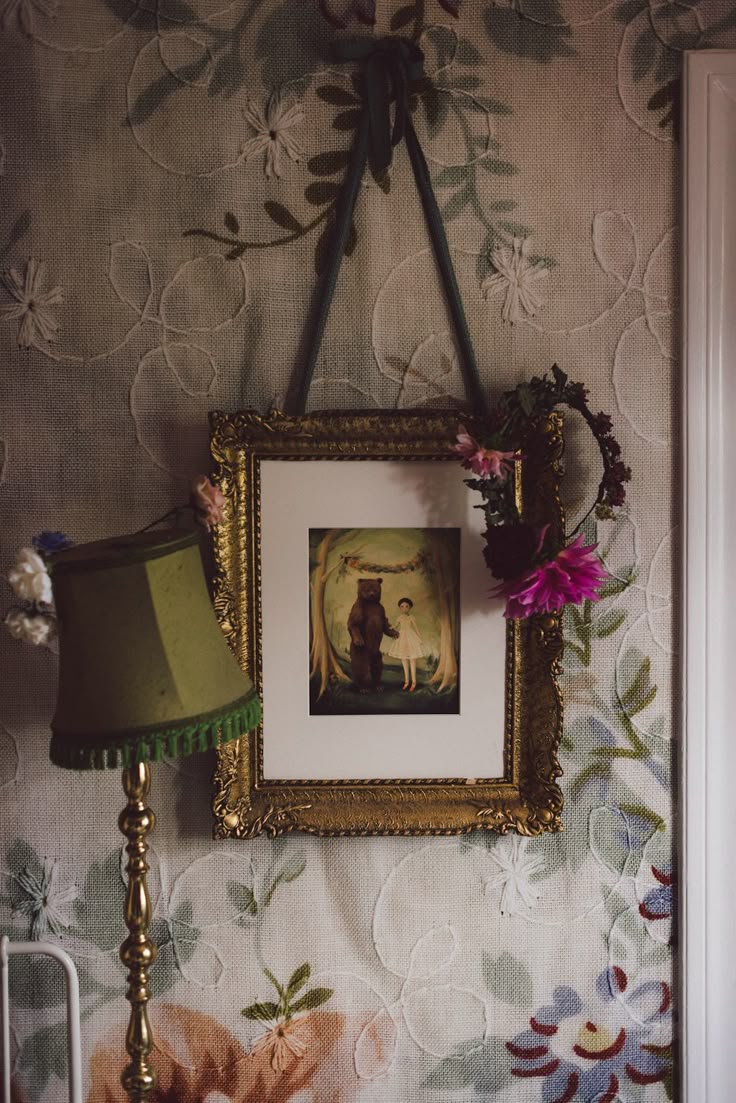
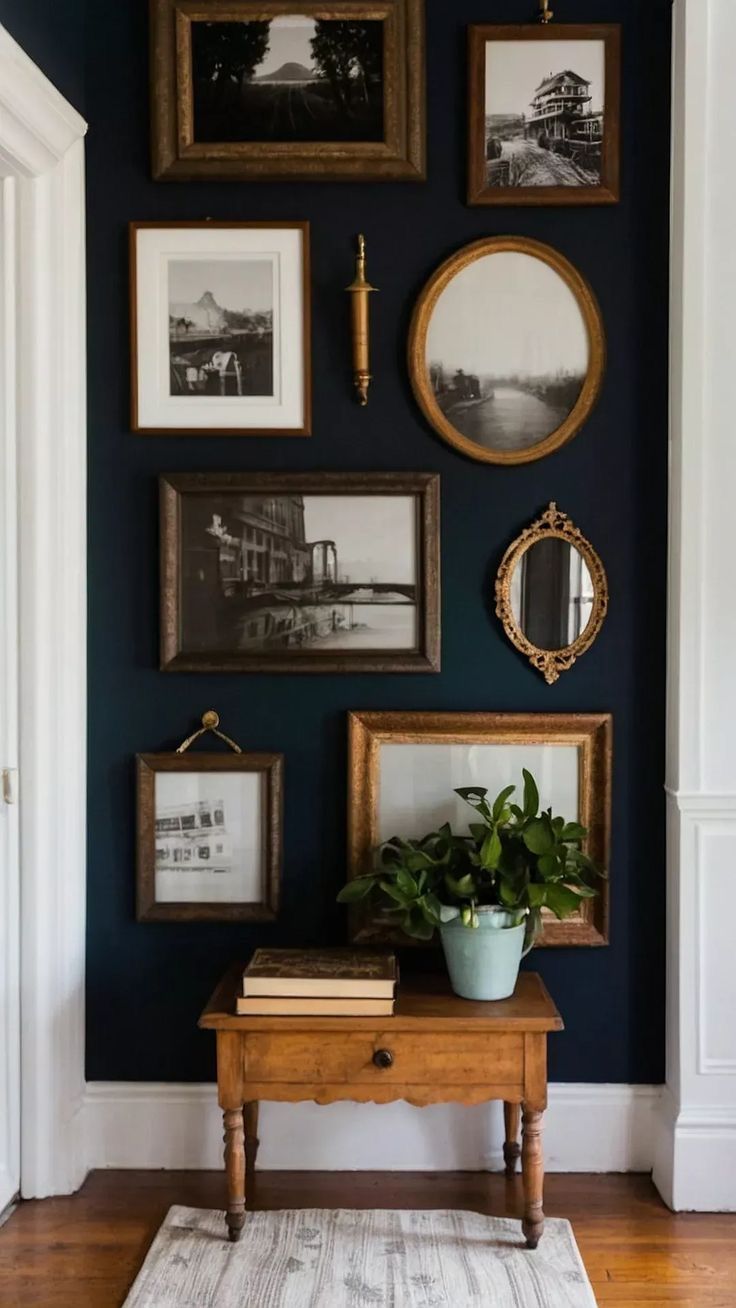
- Focus on Form, Not Embellishment: Choose artwork with bold, dramatic subjects (think dark landscapes, classical busts, or abstract pieces with deep colors) over delicate floral prints. For mirrors, select those with an imposing, perhaps slightly distressed, dark or antique gold frame rather than overly intricate, delicate designs.
- Strategic Metallics: While Baroque is known for gold, use it sparingly and with intention. An antique brass lamp, a large, dark framed mirror with subtle gold accents, or a single statement gilded object can add luxury without overwhelming the space. Silver or pewter can also provide a cooler, more restrained metallic touch.
- Architectural Details: If your space allows, consider incorporating architectural elements like dark wood paneling, substantial crown molding, or a dramatic fireplace. These foundational elements inherently lend a Baroque sense of grandeur.
- Subtle Patterns: Instead of overtly floral chintz, opt for damasks, stripes, or geometric patterns in rich tones. These patterns still nod to historical opulence but with a more grounded feel.
By carefully curating your choices – focusing on depth, texture, and strong forms – you can achieve a truly captivating Baroque romantic aesthetic that is bold, sophisticated, and entirely free from anything cutesy or overly feminine. It’s about channeling an era of magnificent art and design, reimagined for contemporary living.