As the internet seemingly seeped into all facets of daily life, digital and physical spaces have become canvases for visual storytelling. Clean design, marked by simplicity and purpose, has emerged as a pivotal element in crafting environments that seamlessly marry aesthetics with functionality. In today’s article, we will explore how to bring clean design principles from screens to interior décor and enhance both realms.
Understanding Clean Design Principles in Web Design
Clean design in web interfaces hinges on simplicity, clarity, and purposeful use of space. Many web developers also need essential interior design skills to make functional and beautiful websites. Here’s how you can achieve this:
- Streamline your layout, prioritize essential elements, and eliminate unnecessary clutter.
- Opt for a clean color palette and straightforward typography for easy readability.
- Enhance user experience and navigation through intuitive design choices. Prioritize clear and concise navigation menus, ensuring users can easily find what they want.
- Implement strategic call-to-action buttons, guiding users seamlessly through the website.
- Regularly test and optimize your design based on user feedback for a continuously improved digital experience.
Learning How to Bring Clean Design Principles from Screens to Interior Décor
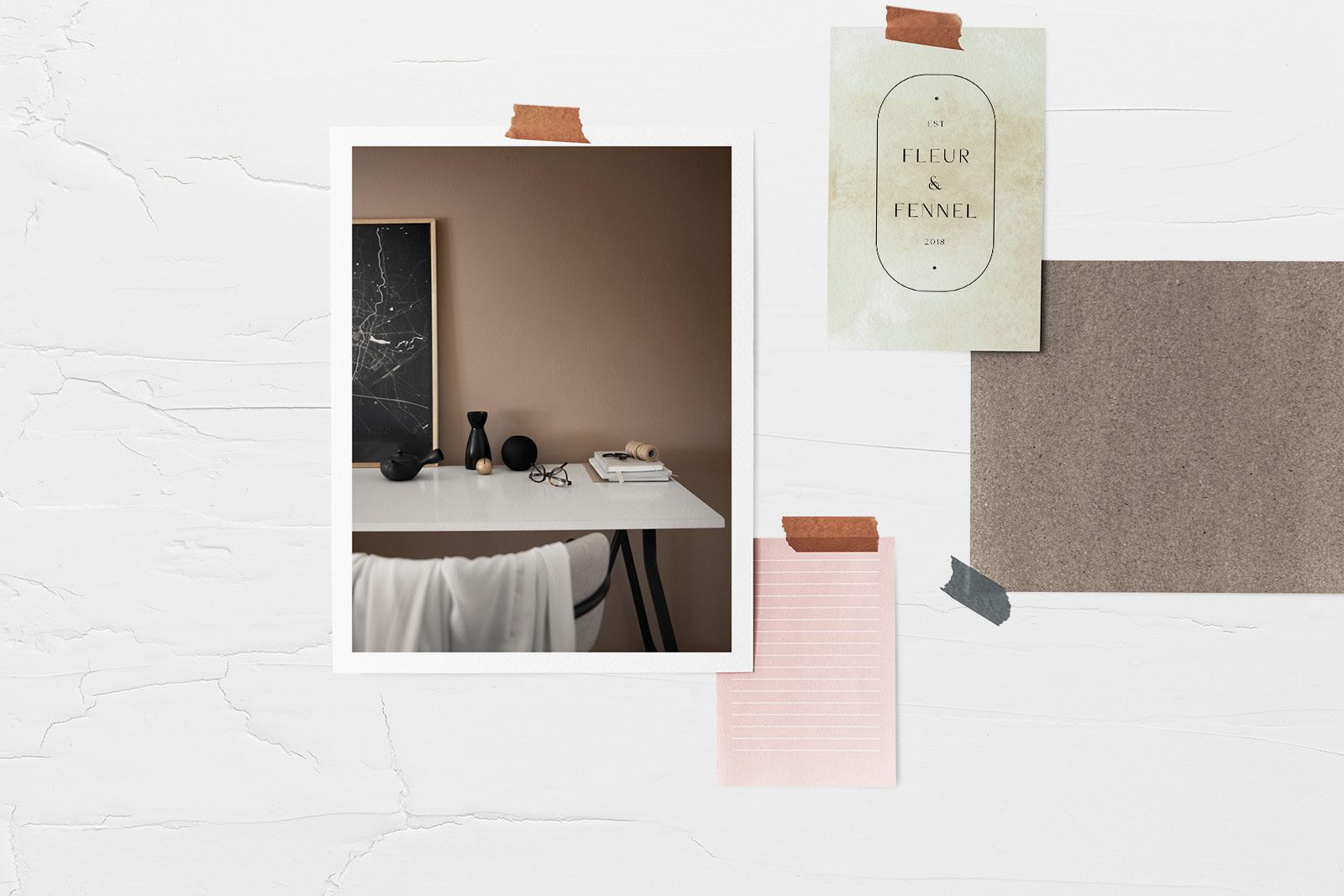
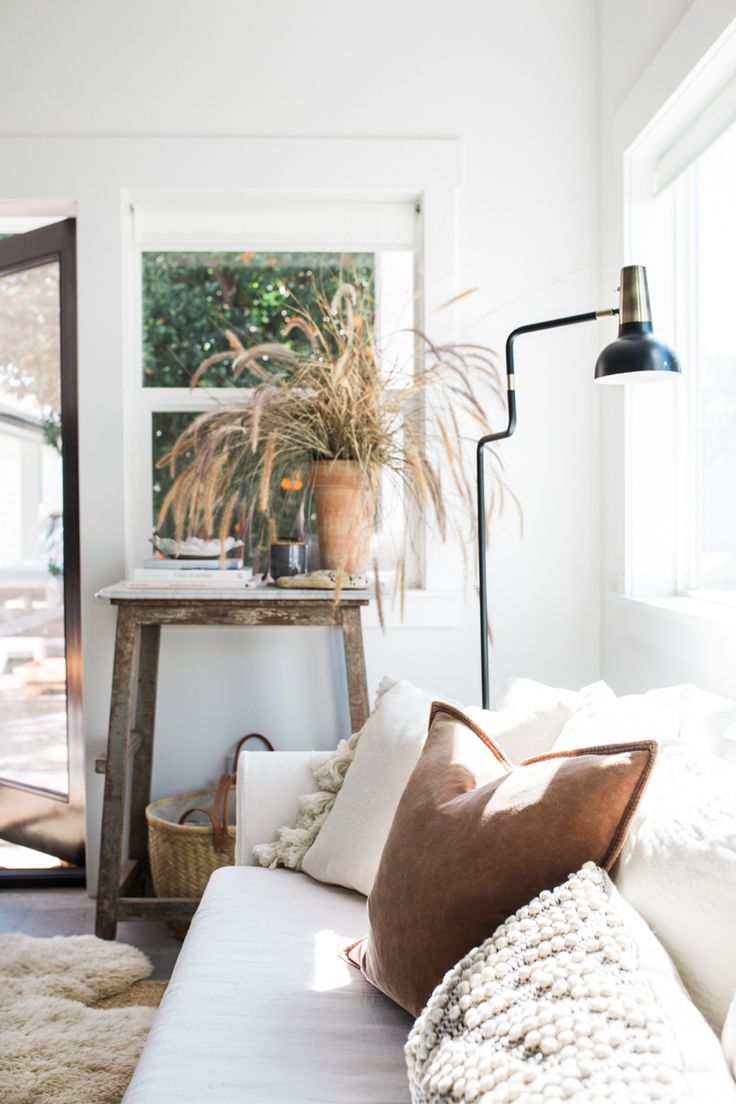
When bridging the gap between digital and physical design, focus on clean lines, minimalism, and purposeful space utilization. Specifically, Digital Dot advises that less is more when it comes to web design. However, the same is true when arranging or decorating any physical space. Simply apply the same principles of elegance and intentional placement to furniture and decor. Opt for neutral color palettes and uncluttered layouts to create visually cohesive and functional interior spaces.
Consider the psychological impact of clean design on occupants. Minimalist interiors can foster a sense of calm and reduce visual stress. Thoughtful space utilization enhances functionality, creating environments that support productivity and well-being. Strive for a harmonious balance between simplicity and purpose in physical spaces, allowing you to bring clean design principles from screens to interior décor.
Communicating Brand Identity Through Office Design
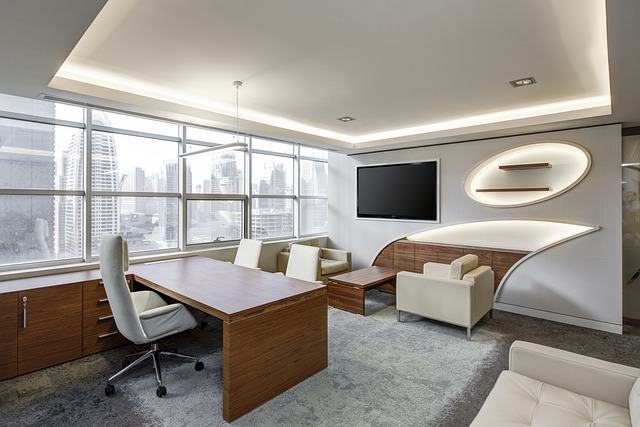
Office spaces serve as powerful mediums for reflecting and reinforcing brand identity. To achieve this, focus on consistent color schemes that align with your brand palette. Strategically integrate branding elements and your logo into the physical space, ensuring a cohesive visual representation that leaves a lasting impression on employees and visitors.
Consider the psychological impact and association with your brand values when it comes to color. Leverage branding elements such as signage, graphics, and imagery that convey your company’s ethos. Thoughtful logo integration in common areas and meeting spaces reinforces brand recognition. By deliberately infusing your brand identity into the office environment, you create a tangible and immersive experience that aligns with your company’s vision and resonates with those who engage with the space.

Bringing Color From the Screen into the Real World
Dive into the psychology of colors when crafting your home or office design. Understand the emotional impact each color carries and choose a palette that aligns seamlessly with your brand identity. Whether calming blues or energizing yellows, the chosen colors should evoke the desired emotions and reinforce your company’s values.
As colors transition from the screen to physical spaces, maintaining balance is essential. Avoid the common mistake of overwhelming your space with too many vibrant colors. Instead, strike a harmonious balance between vibrant and neutral tones. Use vibrant colors strategically for branding elements and accents, while neutral shades create a clean and cohesive backdrop. This approach ensures a visually appealing and comfortable workspace that reflects your brand identity without overwhelming its occupants.
Incorporating Brand Elements for Offices
Try to seamlessly weave your brand elements into the fabric of your office design. Place logos, slogans, and other brand identifiers strategically to enhance visibility and recognition. Consider incorporating these elements into common areas, meeting rooms, and high-traffic zones to ensure they are seen without overwhelming the space. You will be greeting clients in these spaces, so it makes sense to place your branding there.
Maintain a balance between brand representation and avoiding clutter. Opt for clean and purposeful integration of brand elements, ensuring they contribute to the overall aesthetics without causing visual chaos. Prioritize key areas where brand visibility is essential, ensuring each element serves a distinct purpose in reinforcing your brand identity while maintaining a polished and uncluttered office environment.
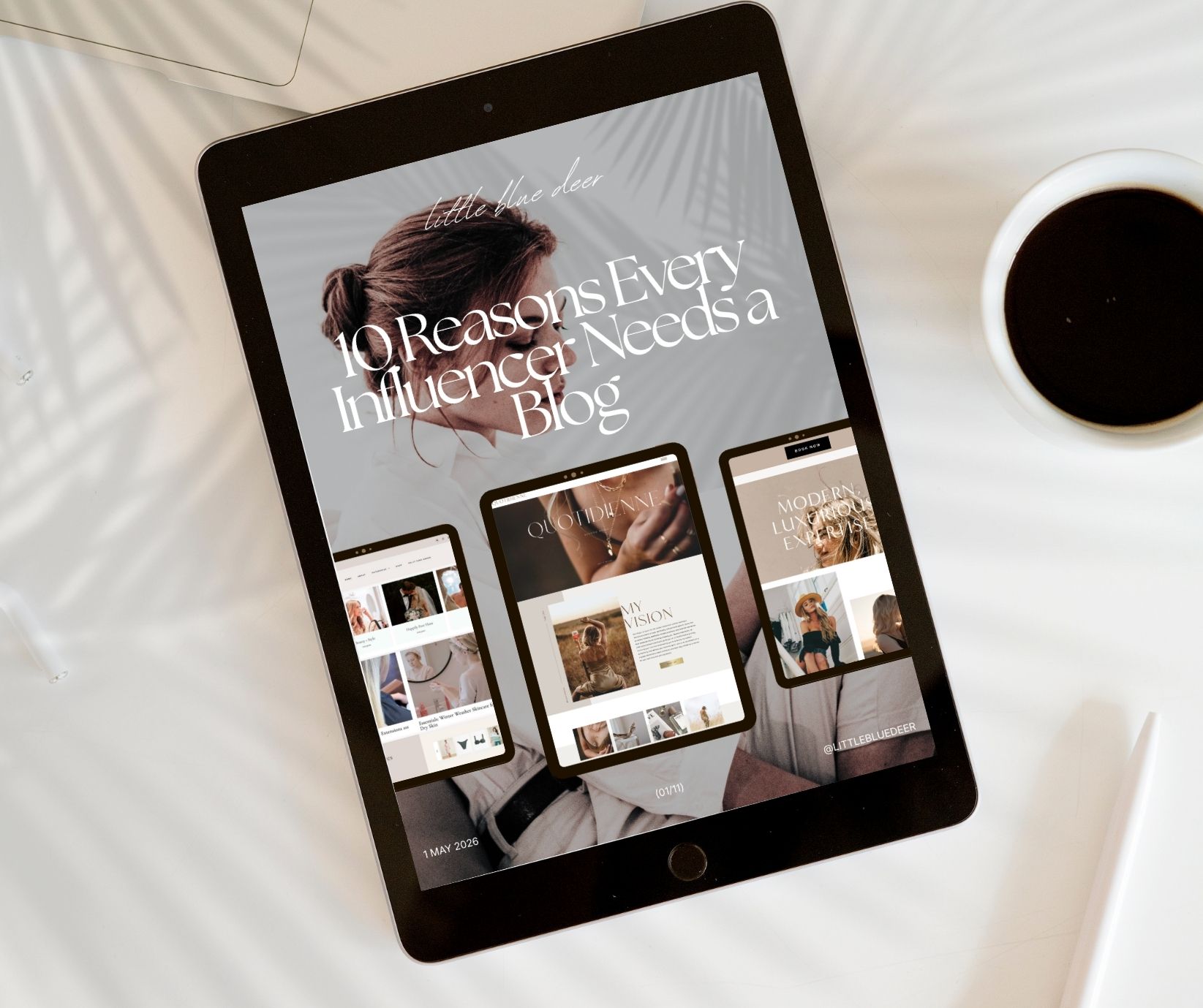
You will also need consistency in your office design and online presence. To achieve this, you should try to improve brand image with web design by mirroring the existing elements in your workspace. Align your physical workspace’s visual elements, color schemes, and branding elements with your website’s design. This synchronization fosters a cohesive brand identity, reinforcing recognition and trust among clients and employees alike. Ensure that your website echoes the aesthetic principles of your office design, providing visitors with a seamless and holistic brand experience. From color choices to logo placement, cultivating a unified and recognizable presence across digital and physical spaces contributes significantly to an enhanced and authentic brand image.
Combining Functionality and Aesthetics
Achieving a harmonious workspace involves a delicate balance between functionality and aesthetics. When selecting furniture and decor, prioritize options that align with your brand’s image and cater to the practical needs of the space you are working with. For example, you can look at the furniture used in project Hollis & Jay, where every piece is a bold individual statement yet also compliments the whole design. Opt for pieces that blend form and function seamlessly, creating a visually cohesive environment that is conducive to productivity.
Innovative home office layouts are prime examples of how form and function coexist. Explore layouts that prioritize the flow of work, ensuring that every piece of furniture serves a purpose while contributing to the overall visual appeal. From collaborative workstations to ergonomic seating arrangements, these examples showcase the practical implementation of a design philosophy where functionality and aesthetics work hand in hand to create an efficient and visually pleasing workspace.
Embracing Minimalism
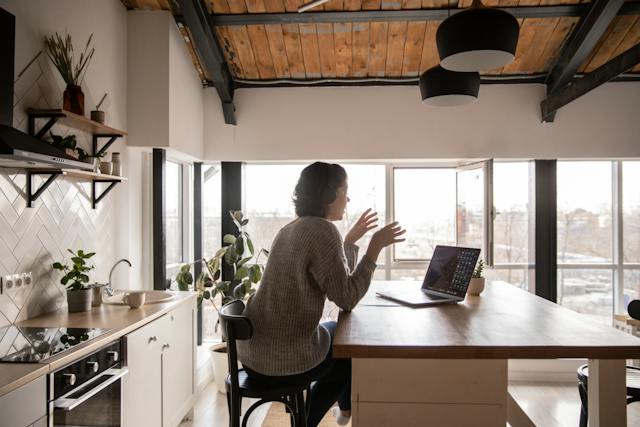
Minimalism is key in digital and physical design, emphasizing simplicity and clarity. To declutter your space for heightened productivity and visual appeal, start by paring down non-essential elements. Opt for clean lines in furniture and decor, focusing on essential items that serve a purpose.
Implementing minimalistic design without sacrificing functionality requires thoughtful choices. Choose multifunctional furniture to maximize utility while minimizing clutter. Embrace open shelving and storage solutions to maintain an organized workspace. By keeping only what is necessary and ensuring every item serves a practical purpose, you can create a minimalist environment that enhances visual appeal and fosters a conducive atmosphere for productivity.
Key Takeaways
By now, it should be obvious that bringing clean design principles from screens to interior décor underscores the significance of simplicity, functionality, and brand alignment. Creating spaces that look good and resonate with brand identity is paramount. Businesses should invest in thoughtful design, recognizing its positive impact on employees and visitors and fostering an environment that seamlessly marries aesthetics with purpose. On the other hand, you can also apply these same principles to your home office or family living space.
Meta description: Explore the synergy between brand identity, website, and interior design. Bring clean design principles from screens to interior décor.
KW – clean design principles from screens to interior décor
Images used:
https://www.pexels.com/photo/a-man-using-a-computer-in-designing-7504746/
https://www.pexels.com/photo/young-woman-chatting-via-laptop-in-kitchen-4049988/
https://www.pexels.com/photo/hands-woman-office-connection-6580000/
https://pixabay.com/photos/office-sitting-room-executive-730681/