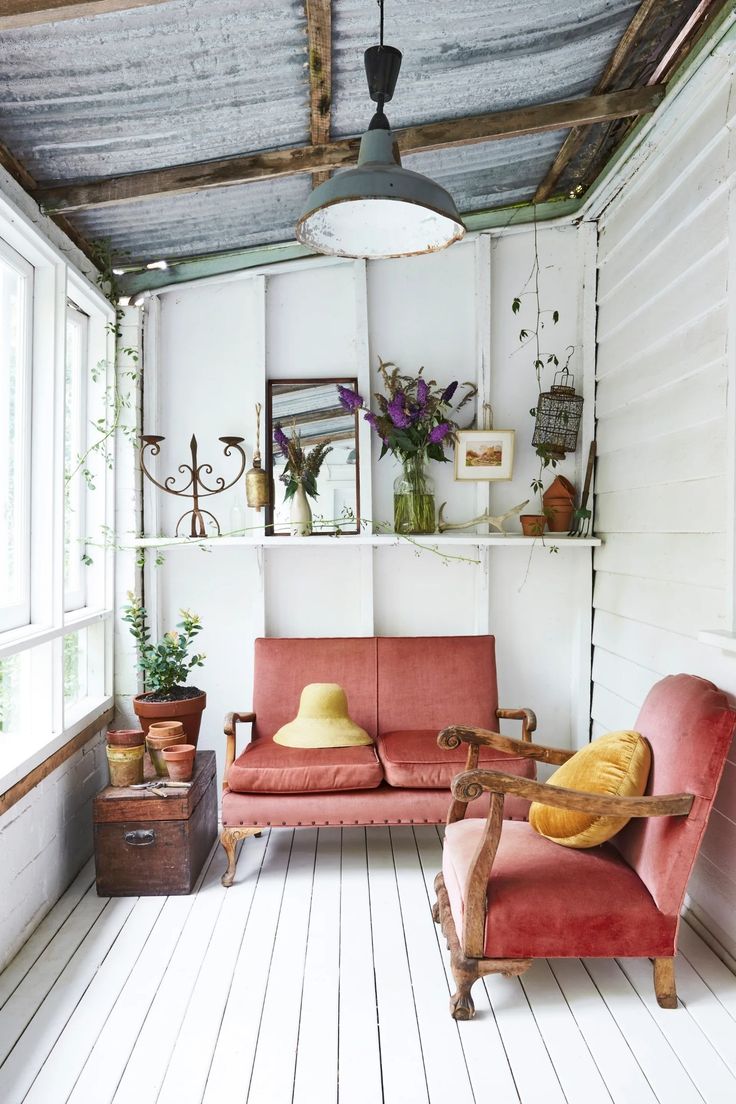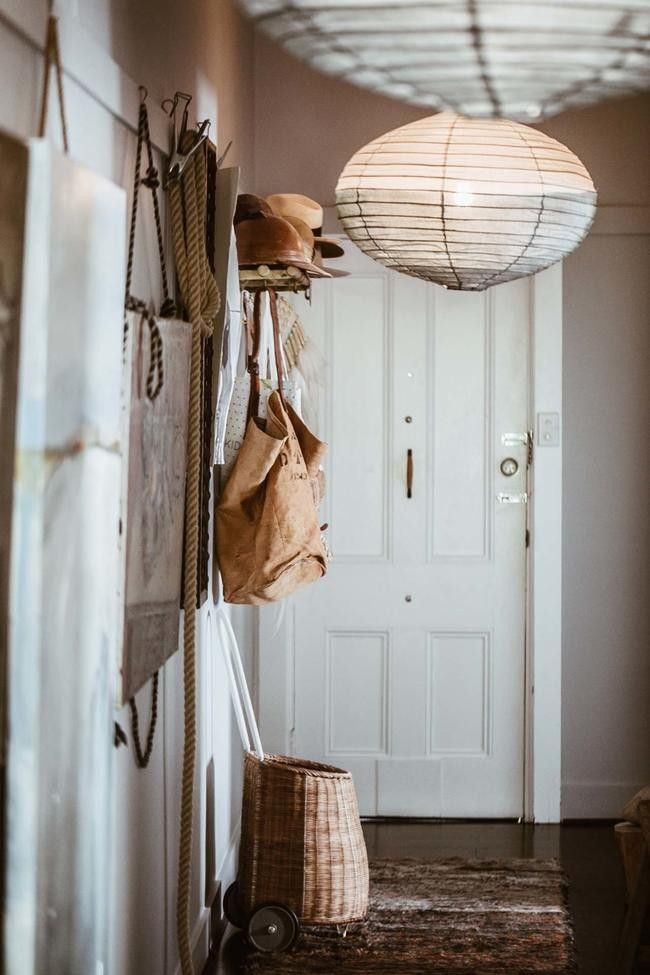
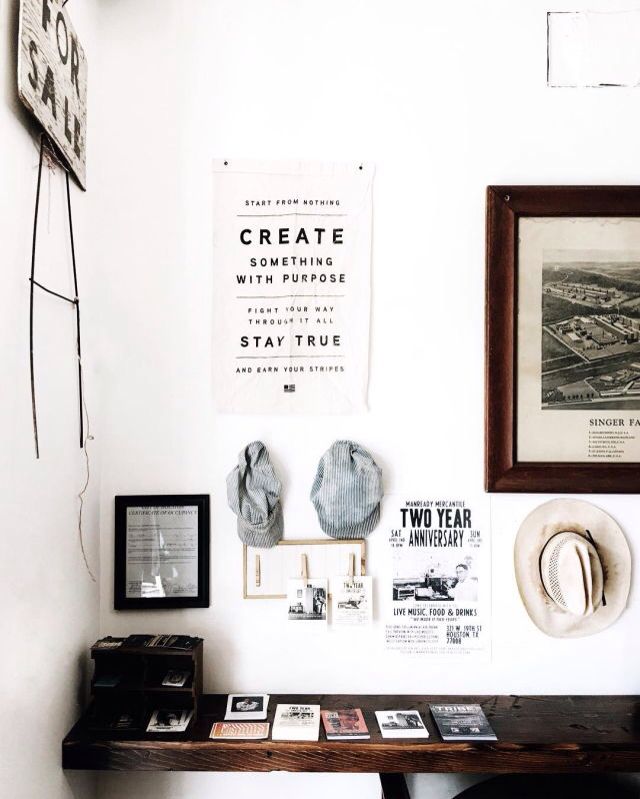
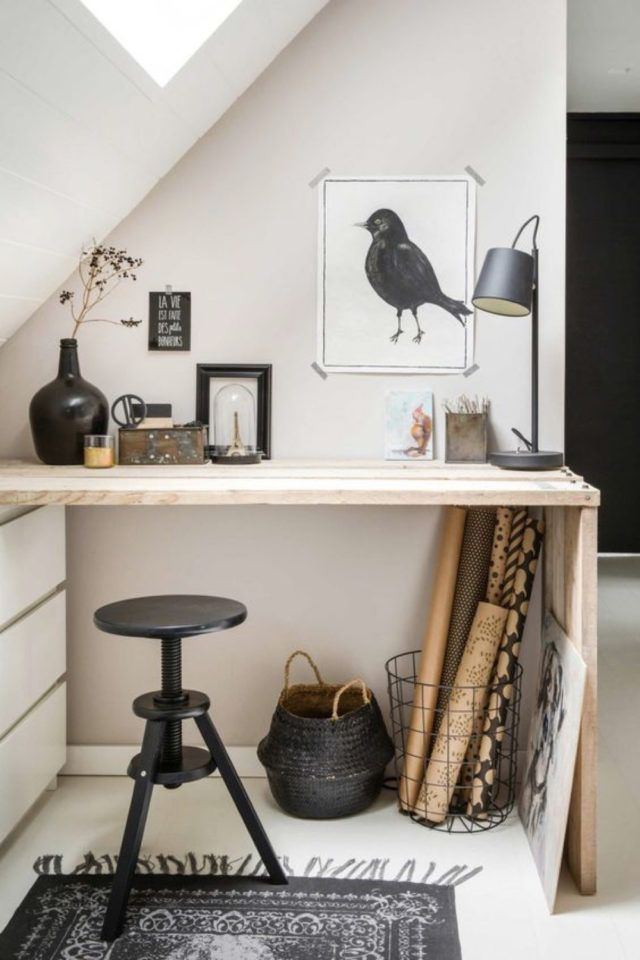
There’s a beautiful friction between nostalgia and modernity. The urge to surround ourselves with objects that have stories—that transport us to another time or place—is strong. We crave the warmth of velvet, the graphic punch of mid-century patterns, and the “good bones” of antique wood.
But for many, the phrase “eclectic decor” conjures an image of a Victorian parlor bursting with knick-knacks, where every surface is a game of “don’t tip the porcelain cat.” This crowded aesthetic, often called Maximalism, is a valid choice, but it’s not for everyone.
If you are a sentimentalist who also craves breathable, calm space, you are looking for Curated Nostalgia. This is how to embrace a vibrant mix of eras, textures, and styles while keeping your home feeling spacious, intentional, and, yes, clean.
What is “Nostalgic, Eclectic, Non-Cluttered”?
It’s the intersection of two philosophies:
-
Eclecticism & Nostalgia: The freedom to mix pieces from different decades, cultures, and styles (bohemian, industrial, Art Deco, retro) because you have a personal connection to them.
-
Curated Minimalism: The practice of owning fewer, higher-quality items and giving each one significant breathing room.
The goal isn’t “empty.” It’s “articulate.” You are letting your objects tell their story, one at a time.
Phase 1: The Foundations (Embracing the Mix)
The magic of an eclectic room is the unexpected pairings. If everything matches, it feels sterile. If nothing matches, it feels chaotic. You need a few unifying forces to anchor your time-traveling treasures.
1. A Restrained Color Palette This is your anchor. While a bohemian-eclectic space might use every color in the rainbow, a non-cluttered space needs limits. Pick a palette of 3 to 5 colors and apply them across different eras.
-
Example: Navy blue, mustard yellow, teal, and charcoal grey. You can have a 70s velvet mustard sofa, a 50s teal industrial lamp, and navy blue Victorian curtains. The colors “shake hands,” making the cross-decade mix feel cohesive.
2. A “Foundational” Style Pick one dominant style to act as the “bones” of the room. A clean-lined style works best to prevent the eye from getting overwhelmed.
-
Mid-Century Modern (low profiles, tapered legs) or Scandinavian (light wood, simple shapes) provide a quiet, architectural backdrop that lets flashier, more ornate antique pieces truly shine.
3. Repetition of Texture Instead of matching styles, match textures. This is a subtle but powerful unifying trick.
-
If you have a fuzzy shag rug from the 70s, try pairing it with a bouclé chair. Repeating soft, inviting, tactile textures creates a cohesive “mood” that bridges the stylistic gaps.
Phase 2: The Art of Non-Clutter (Curating the Story)
This is the hardest part for the nostalgic heart. How do you keep the treasures you love without drowning in them?
1. Give Each Object its “Stage” In a cluttered room, objects are packed tightly. In a curated room, objects have Negative Space.
-
Instead of a mantelpiece covered in 15 different travel souvenirs, display two large, meaningful pieces and a single, stunning book. The empty space around those two objects is what makes them look important, not empty.
2. The 80/20 Rule for Surfaces For all major surfaces (coffee tables, bookshelves, countertops), follow this rule: 80% of the surface should be clear space.
-
This doesn’t mean your bookshelf is empty. It means instead of stuffing it spine-to-spine, you group books in small stacks, use some shelves just for a single sculpture, and leave other shelves mostly empty.
3. Curate, Don’t Just Collect This is the mindset shift. A collector acquires everything they love. A curator selects only what is necessary to tell the current story.
-
If you have 10 favorite vintage cameras, don’t display them all. Display two. Rotate them every six months. Your space will feel fresh, and you get to appreciate each camera more when it isn’t lost in a crowd.
How to Style “Nostalgic-Eclectic” Groups
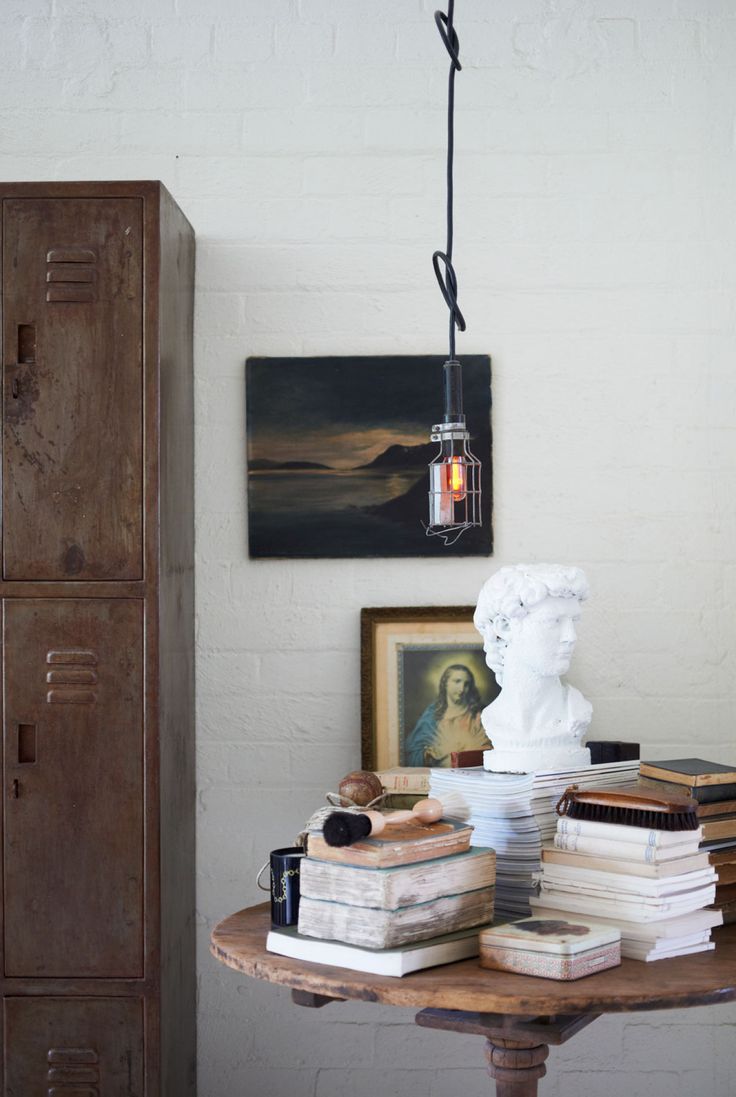
Let’s put it into practice. How do you style a vignette (a small cluster of objects) that feels nostalgic and varied, but calm? Use the “Odd Numbers” and “Pyramid” rule.
-
Group by Threes: Groupings of 3 or 5 objects are more visually dynamic and pleasing than pairs.
-
Create a Pyramid: Start with one tall anchor (a vintage lamp or a large piece of art), a middle piece (a stack of old books), and a low, sculptural piece (a brass magnifying glass or a ceramic bowl).
Putting it All Together
A truly nostalgic, eclectic, non-cluttered living room might feature:
-
Foundation: Low-slung MCM sofa (the anchor).
-
Nostalgia: A restored 1920s steamer trunk used as a coffee table (the story).
-
Eclectic Texture: A vibrant, Persian-style rug (the pattern/color).
-
Curated Detail: An oversized, graphic 60s pop-art print on the main wall, and only that print.
This room is warm. It’s vibrant. It’s filled with pieces that make you smile. And because you’ve given each piece the space to breathe, the room feels like a sanctuary, not a garage sale. Mastering this balance is the key to living with the things you love, beautifully.