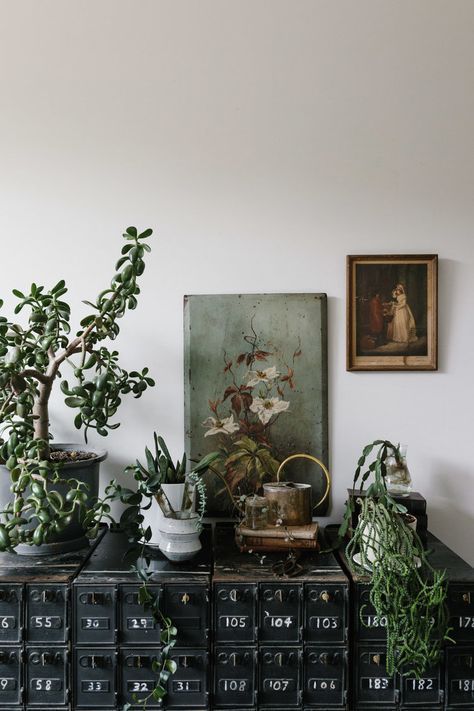
There is a common myth in interior design that small or dark rooms must be painted white to feel spacious. But as we move through 2026, designers are leaning into the opposite: The Power of the Void. Deep black walls (like “Electric Black” or matte charcoal) create a visual “pause” for the brain, reducing sensory noise and creating a sense of total calm. However, a black room without life can feel static. The solution? Living sculptures.
1. The Power of “Neon on Noir”
In a dark room, the chlorophyll in plant leaves becomes a primary light source. While a green leaf might look “natural” against a white wall, it looks luminous against a black one.
-
Design Tip: Look for plants with “Neon” in the name, like the Neon Pothos or Philodendron Lemon Lime. Their lime-green foliage acts as a natural spotlight against dark matte finishes.
2. High-Texture Contrast (2026’s Favorite Duo)
Dark design this year is moving away from flat paint toward texture-rich surfaces like timber cladding or limewash. Plants provide the perfect organic counterpart to these structured walls.
-
Large Sculptural Statement: Instead of “plant clutter,” 2026 is about the “Year of the Ficus”. A large-scale Rubber Plant (Ficus elastica) with its glossy, deep-burgundy-to-black leaves provides a sophisticated “tone-on-tone” look that feels architectural rather than just decorative.
3. Best Low-Light Survivors for Moody Rooms
If your black room is naturally dim, you need plants that thrive on the “understory” of the forest floor.
-
The ZZ Plant: Practically indestructible with waxy, dark-green leaves that reflect what little light is available.
-
The Snake Plant: Its vertical, sword-like leaves provide strong lines that look incredible in modern, dark corners.
-
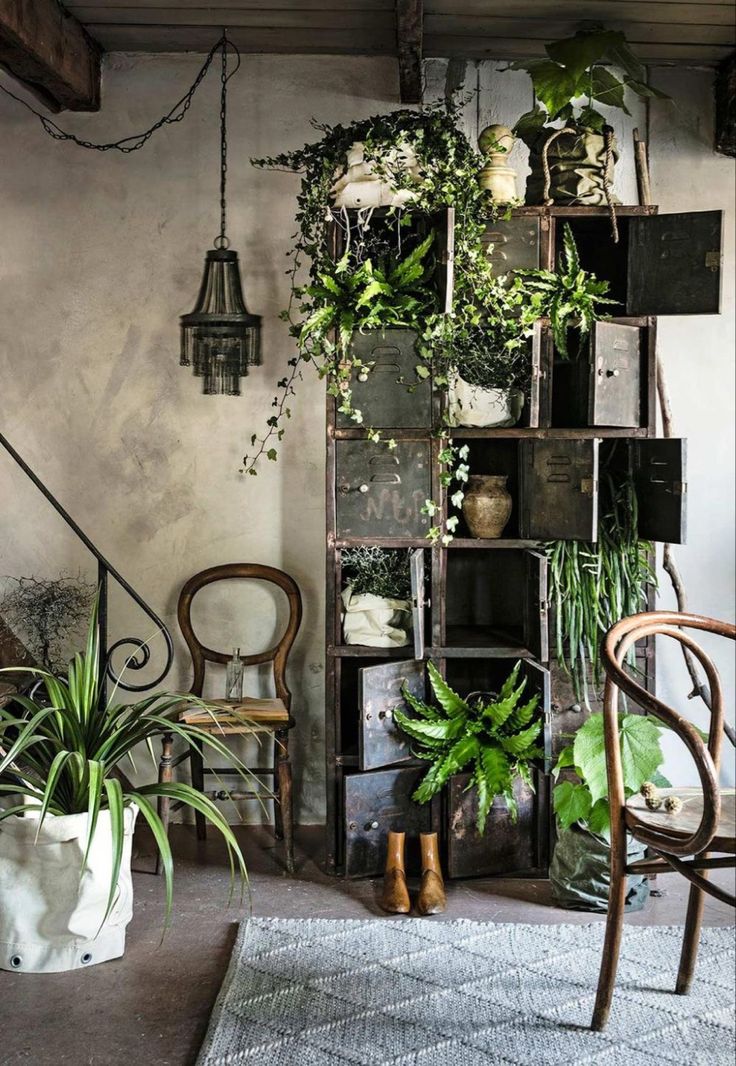
The Monstera: Even in lower light, its iconic split-leaf design adds a dramatic silhouette against a dark backdrop.
4. Trick the Eye with Reflection
In a dark interior, you have to help the light “travel.”
-
Mirror Hack: Place a mirror directly opposite a window. This reflects light onto your plants from the back, preventing phototropism (where the plant leans desperately toward the glass) and making the foliage appear fuller.
-
Metallic Accents: Pair your plants with brass or gold-fronted furniture. The warm metallic glow reflects off the green leaves, creating a layered, luxury feel that prevents the black walls from “absorbing” the room’s energy.
5. Supplemental “Glow”
If your room is a true “cave,” don’t be afraid to use LED grow lights. In 2026, these are no longer just purple-hued shop lights; you can find elegant, warm-spectrum LED bulbs that fit into standard brass floor lamps, providing your plants with “sun” while acting as cozy mood lighting for your lounge.
The Takeaway: Black walls don’t shrink a room—they provide a stage. By layering in varied green textures, you aren’t just decorating a space; you’re creating an immersive, living sanctuary.
Expert Guide: Are you planning on a full black-out look for a bedroom or just a moody accent wall in a living space? I can help you pick specific plants based on your window direction!