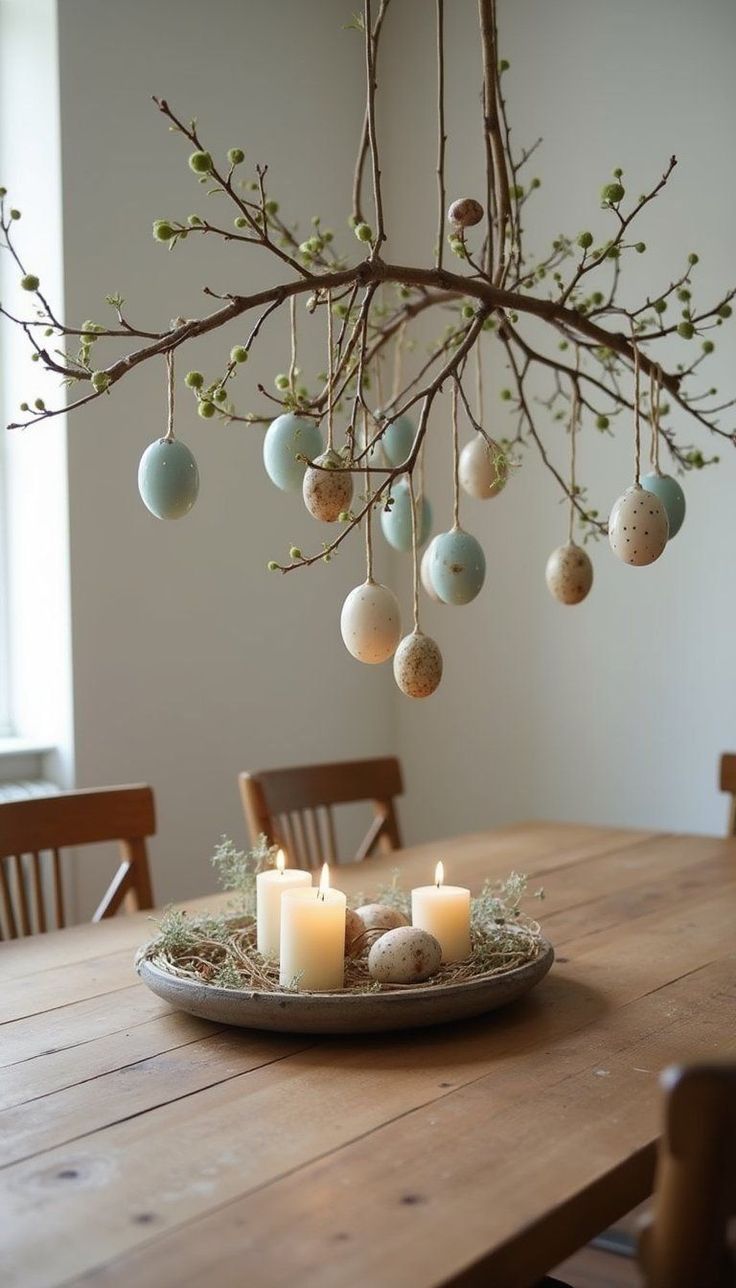
When we think of Easter decorating, the immediate vision is often a riot of color: neon yellows, sugary pinks, and a chaotic parade of plastic eggs. While cheerful, that “supermarket aisle” aesthetic can feel jarring in a home curated with thoughtful, Elegant Eclectic design.
Spring—and especially Easter—deserves better. It deserves decorations that feel sophisticated, quiet, and rooted in natural storytelling. This isn’t about clearing off every surface; it’s about introducing objects that have gravity and grace.
Here is your guide to embracing the understated beauty of tasteful Easter decor, focusing on the architectural power of bare branches, the artistry of the egg tree, and the quiet sophistication of the palette.
The Architecture of the season: Bare Branches
Easter is, at its heart, a celebration of new life and the transitional space between winter and spring. Nothing captures this feeling more perfectly than the bare branch. Before the burst of leaves and blooms, there is a moment of quiet, structural elegance.
How to Execute:
-
Scale is Everything: This is not the time for a delicate bud vase. To achieve that elegant look, find a substantial, floor-length branch—willow, birch, or dogwood work beautifully.
-
The Vessel: As we have discussed with black accents, a matte black or textured ceramic vase acts as the ultimate anchor. It absorbs light and makes the intricate, skeletal structure of the bare branch the hero of the room.
-
The Offbeat Choice: Look for branches with “wonky” angles and elbows. That imperfection is what gives the arrangement its eclectic and artistic soul.
The Sculpture: The Modern “Egg Tree”
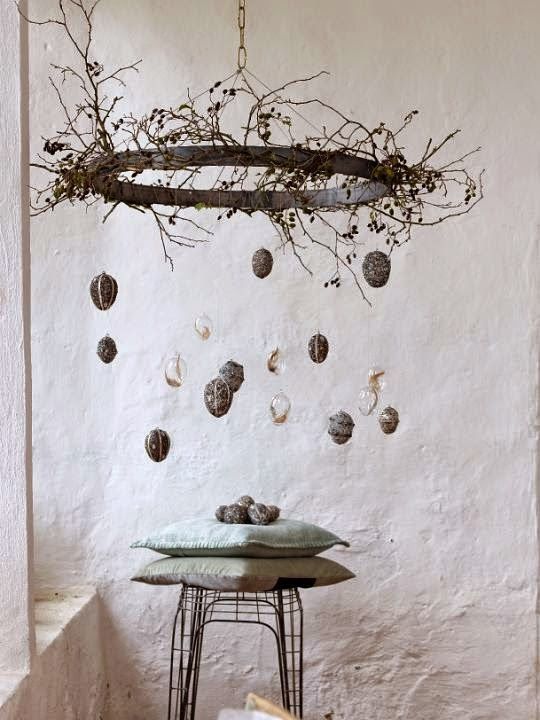
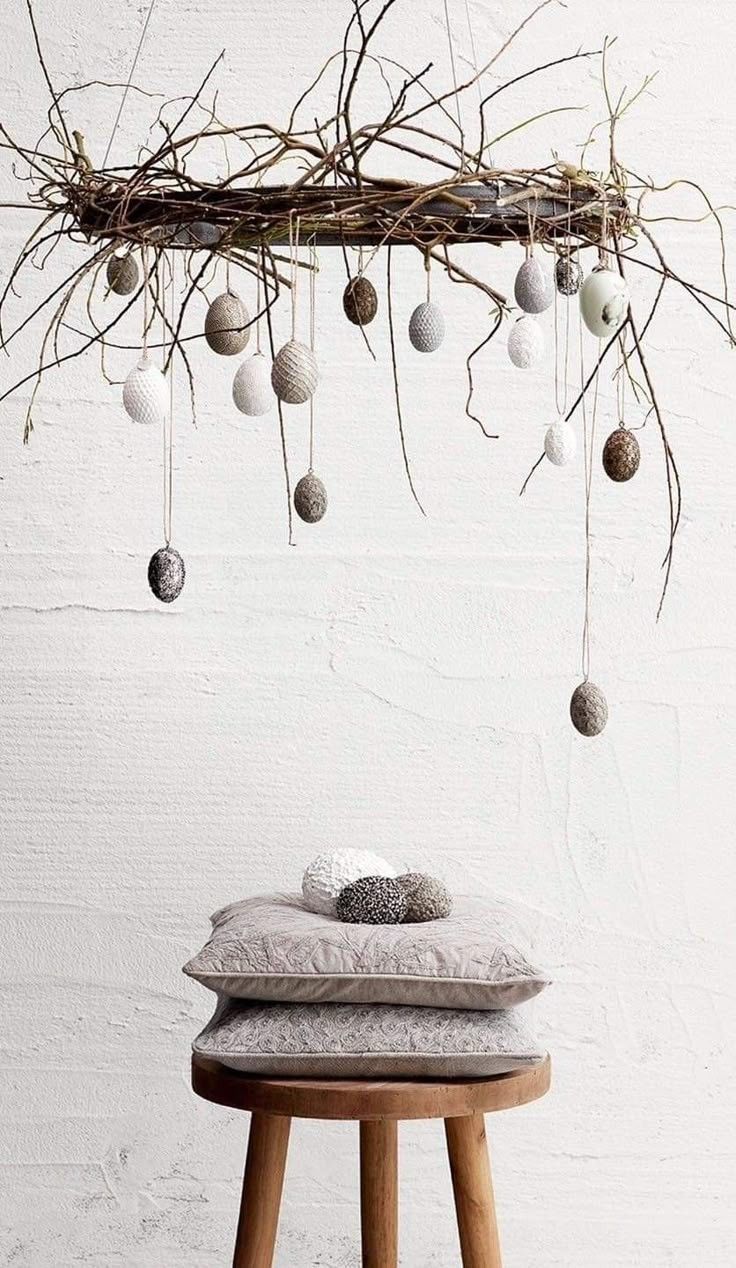
The traditional German Ostereierbaum (Easter egg tree) is a beautiful tradition, but it can easily become cluttered. To make it tasteful and modern, we treat it as a sculptural element, not just a place to hang ornaments.
How to Execute:
-
A Curated Collection: The secret to a tasteful egg tree is repetition and restraint. Do not hang twenty mismatched eggs. Instead, hang ten eggs that are identical—perhaps delicate glass spheres, carved wooden eggs, or real blown eggs painted in a single, dusty, ochre hue.
-
The “Drop”: Use minimal string or clear fishing line. You want the focus to be the egg, not the ribbon. Hang them at varying visual heights (The Rule of Three, extended!) to create movement.
-
Less is More: On a large branch, five well-placed, significant eggs make a more powerful statement than fifty tiny ones.
Phase 3: The Natural & “Offbeat” Elements
To complement the branches and the tree, you need a secondary layer of decor that feels gathered, not bought.
What to Hunt For:
-
Fritillaria & Hellebores: As we explored with offbeat spring flowers, these bow-headed, moodily colored blooms are the perfect sophisticated companions. Place a few in a chipped terracotta crock.
-
Natural Textures: Think in terms of mass and color block. A large stoneware bowl filled purely with real, brown chicken eggs and white duck eggs looks rustic, honest, and incredibly chic.
-
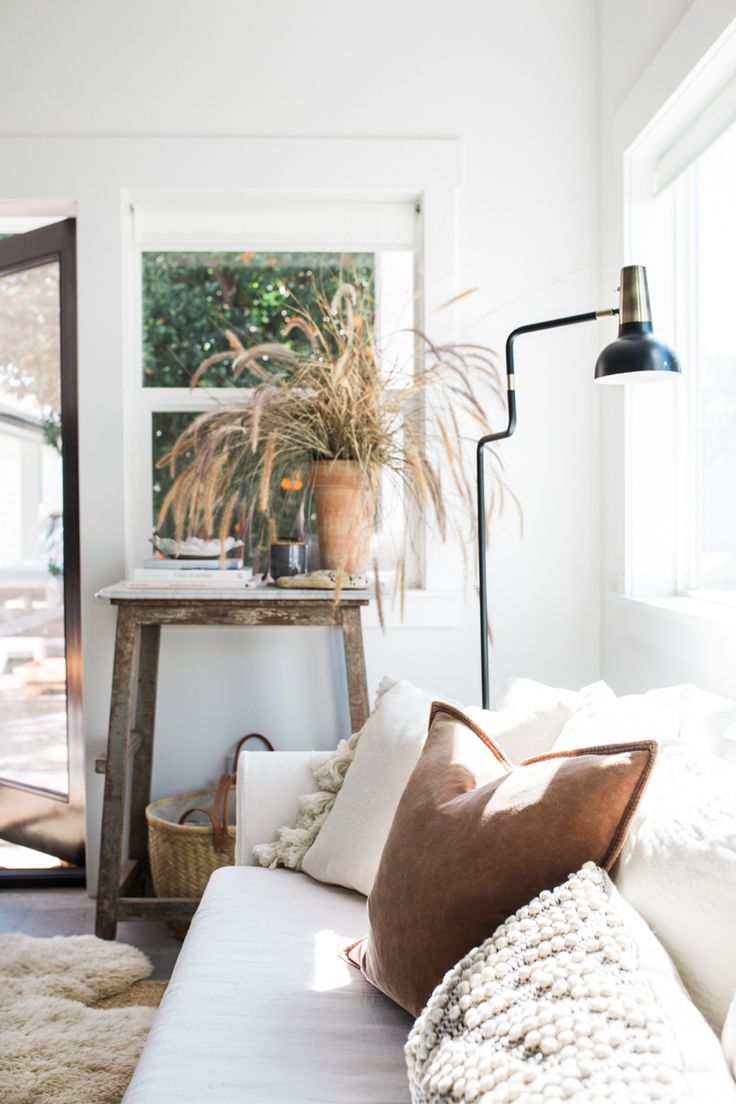
The Dried Layer: Tuck a few stems of bleached Ruscus or a large dried Allium head near your branch arrangement. It adds that European “beautiful mess” that connects the new life of spring with the history of the materials.
The Palette: Spring, But Make It Moody
To keep the look sophisticated, step away from the traditional candy pastels. The elegant eclectic home thrives on contrast and depth.
-
Ochre and Gold: Warms up the space and feels celebratory.
-
Sage Green and Dusty Mauve: Grounds the look in the colors of a moody spring meadow.
-
Deep Black and Bone White: Provides the architecture.
Final Thought: The Narrative of Spring
Tasteful Easter decorating isn’t about avoiding the holiday; it’s about translating it into a language that speaks to your home’s existing personality. By focusing on natural materials, sculptural shapes, and a mature palette, you create a space that feels calm, curated, and profoundly hopeful.