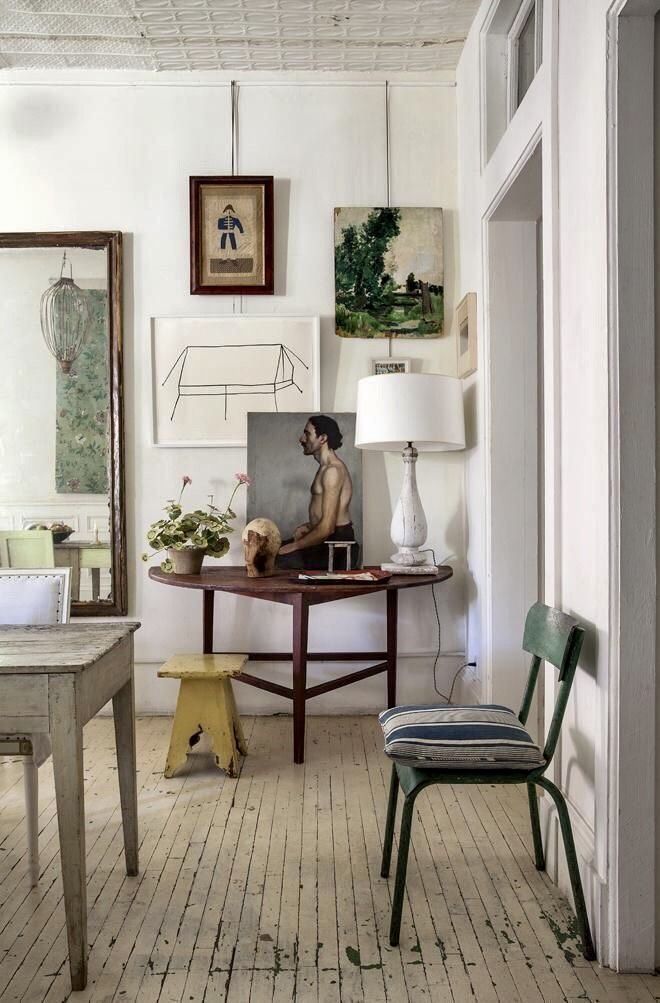
The French flea market, or brocante, aesthetic is one of the most coveted styles in interior design. It’s a beautiful balance—a look that is undeniably romantic, deeply historical, and perfectly imperfect. It’s not about buying mass-produced vintage; it’s about curating a home that feels like it has been slowly and lovingly collected over decades.
If you dream of infusing your home with the effortless charm of a Parisian apartment and the patina of a Provencal country house, here is how to master the art of elegant French flea market decor.
1. Embrace Patina, Not Perfection
The core of the brocante look is authenticity. Avoid pieces that are aggressively distressed or look brand new. Instead, seek out items with genuine patina:
-
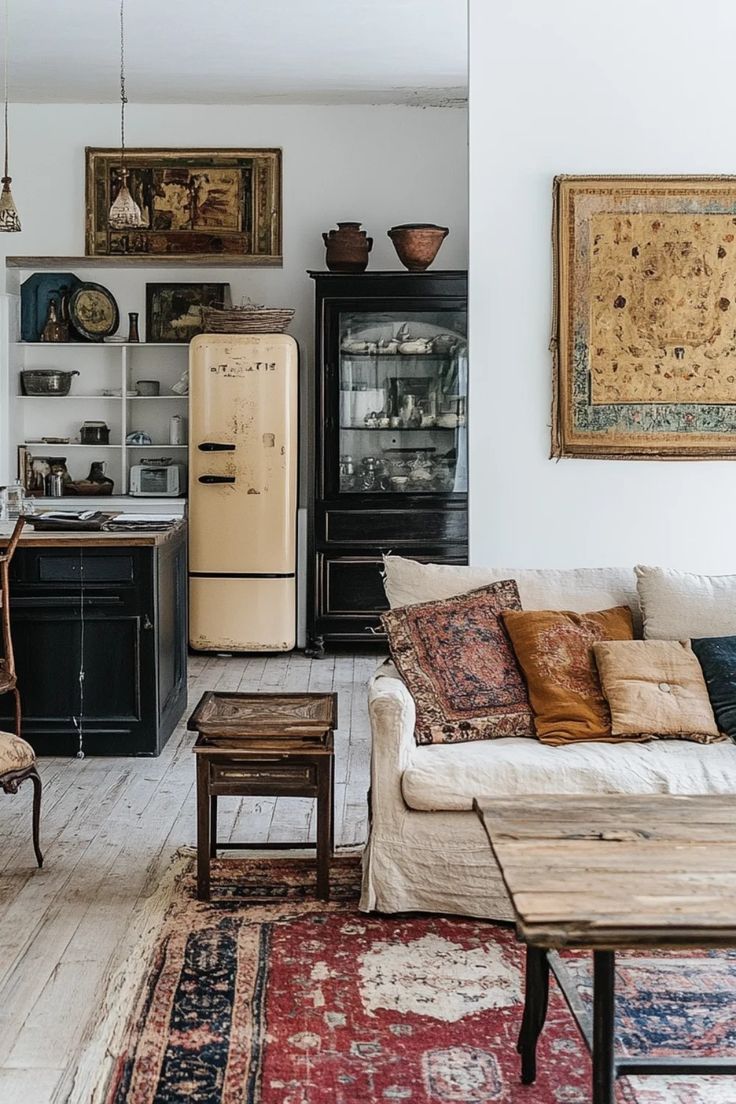
Faded Wood: Choose raw, unfinished, or lightly painted wood that shows its age, such as a pale farmhouse table or a simple chest with chipped paint.
-
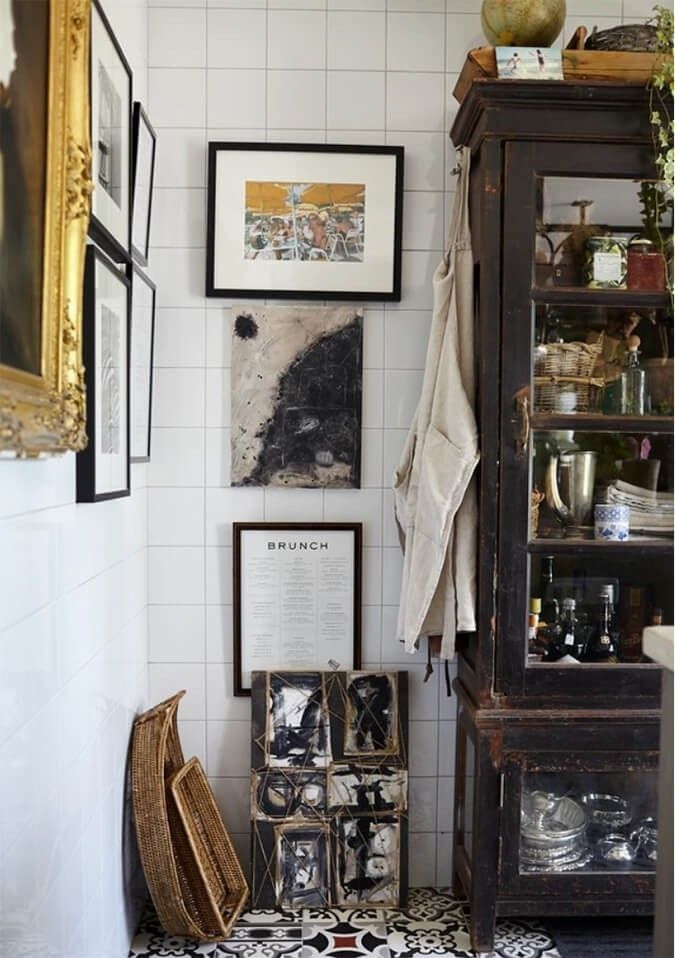
Aged Metals: Look for dark wrought iron, tarnished silver, or antique brass that has deepened in color. The elegance comes from the history, not the shine.
-
Worn Textiles: Use linen that looks soft and rumpled, maybe slightly faded. Avoid sharp, new fabrics.
2. Build a Muted, Earthy Foundation
The best way to let your unique vintage finds shine is by keeping your backdrop simple and light.
-
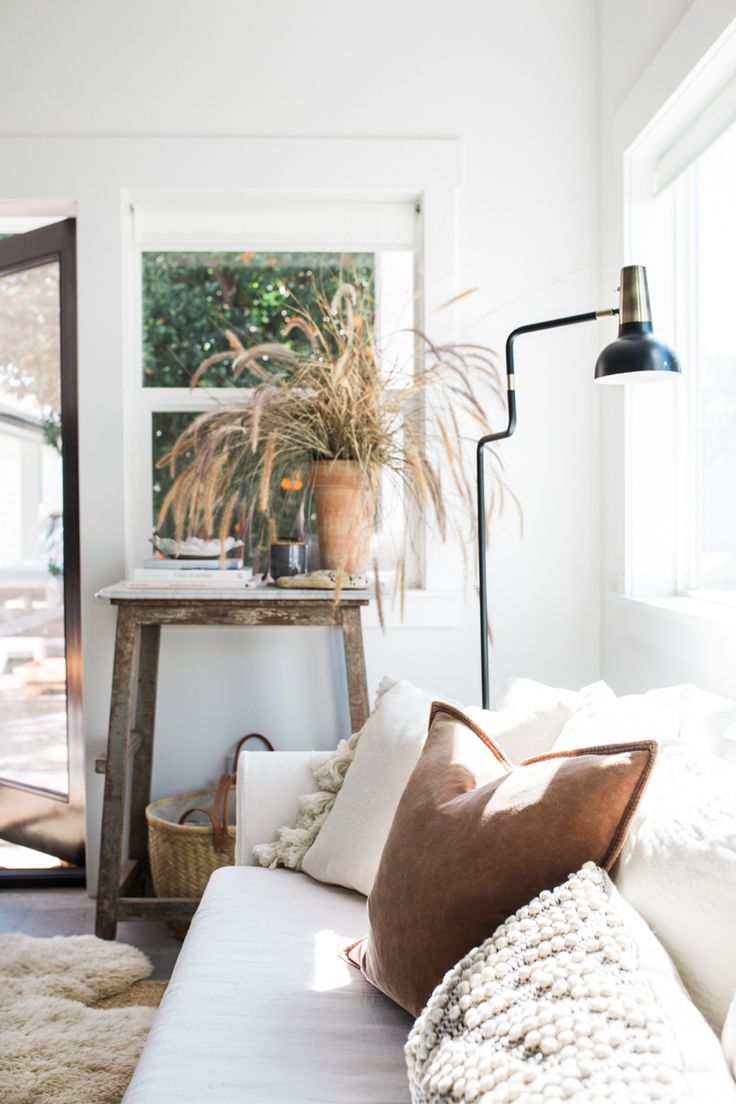
Color Palette: Stick to a base of soft, chalky neutrals—think creams, taupes, light grays, and linen white.
-
Accents: Introduce accent colors that feel sun-bleached or naturally faded: moss green, dusty blue, soft lavender, or deep terracotta.
-
Floors: Natural flooring like light-colored wood, stone, or simple jute rugs keeps the look grounded and authentic.
3. Mix Ornate Glamour with Utilitarian Simplicity
The “elegant” part of this style comes from the deliberate pairing of sophisticated pieces with very simple, everyday items.
-
The Lighting Contrast: Pair a dazzling, multi-tiered crystal chandelier (the centerpiece of French elegance) with a simple, raw wood ceiling beam or a distressed metal floor lamp.
-
The Furniture Balance: Place a robust, plain-fronted armoire next to an intricately carved, gilded mirror. Or, use simple, mismatched wooden chairs around a sophisticated marble-topped bistro table.
-
Display under Cloches: Display simple, everyday objects (like small dried flowers, seashells, or vintage keys) under elegant glass cloches.
4. Essential Finds to Hunt For
When you are browsing antique stores or actual markets, keep an eye out for these key elements:
-
Gilded Mirrors: Look for tall, ornate mirrors with aged gold leaf. Prop them against a wall instead of hanging them for a relaxed feel.
-
Wrought Iron: Old garden pieces, candle holders, or even iron bed frames add classic French weight.
-
Vintage Linens: Seek out antique sheets, napkins, or pillowcases, especially those with subtle monograms or lace trimming.
-
Mismatched China: Collect simple, white or cream-colored stoneware, or pieces with faded floral motifs.
-
Architectural Salvage: Small decorative corbels, mantels, or shutters can be repurposed as wall decor.
By curating pieces that tell a story and mixing them against a light, airy backdrop, you will successfully capture the warm, historical richness of the French flea market—a look that is truly elegant and effortlessly lived-in.