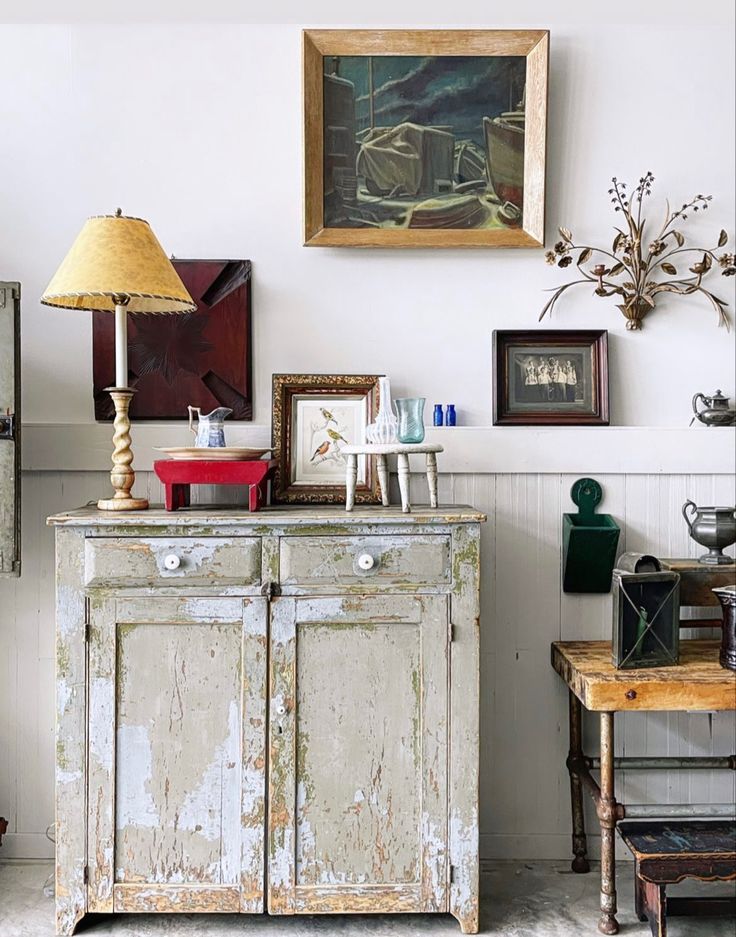
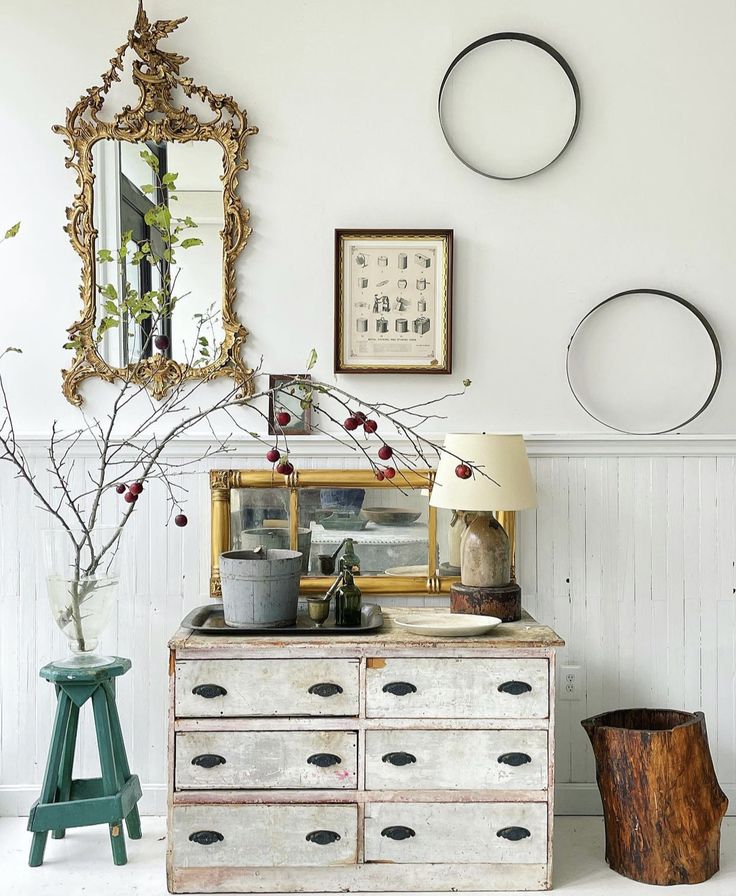
In a world constantly looking forward, there’s a profound comfort in looking back. Decorating with framed nostalgic art is one of the most personal and evocative ways to infuse your home with warmth, character, and a sense of history. This style moves beyond simple trends; it’s about curating visual touchstones that transport you back to meaningful places, periods, or feelings from your past.
From vintage advertising posters to childhood photos, incorporating framed nostalgic art allows you to celebrate your personal journey and give your walls a unique, compelling narrative.
Why Nostalgia Works in Modern Decor
Nostalgic art is a powerful design tool because it achieves two key things:
-
It Adds Instant Personality: Unlike generic wall art, nostalgic pieces spark conversation and reveal something personal about the homeowner, immediately making a space feel lived-in and authentic.
-
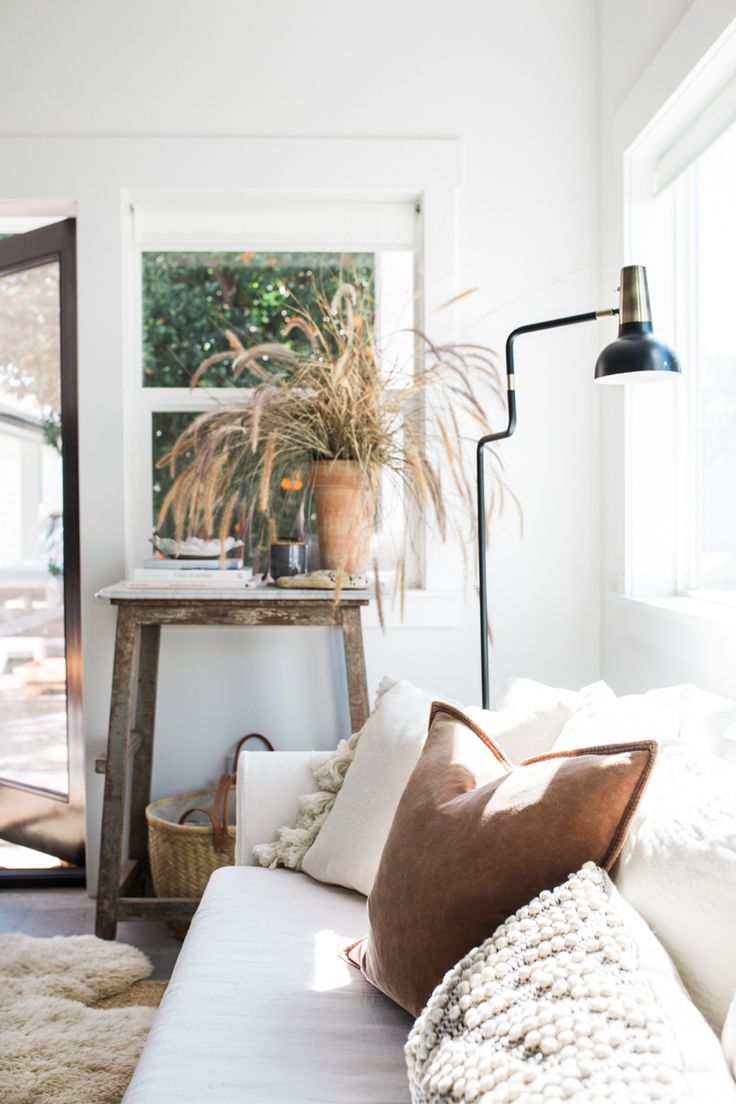
It Balances Modernity: Pairing a sleek, modern sofa or a minimalist room design with a piece of art that has history and character adds necessary contrast, preventing the space from feeling cold or sterile.
Defining Your Nostalgia: What to Frame
The beauty of this trend is that “nostalgic art” is whatever speaks to you. Here are a few categories to explore for framing:
-
Family Archives: Old black and white photographs of grandparents, faded snapshots of childhood homes, or even handwritten letters. Framing these in simple black, gold, or raw wood frames elevates them to true art pieces.
-
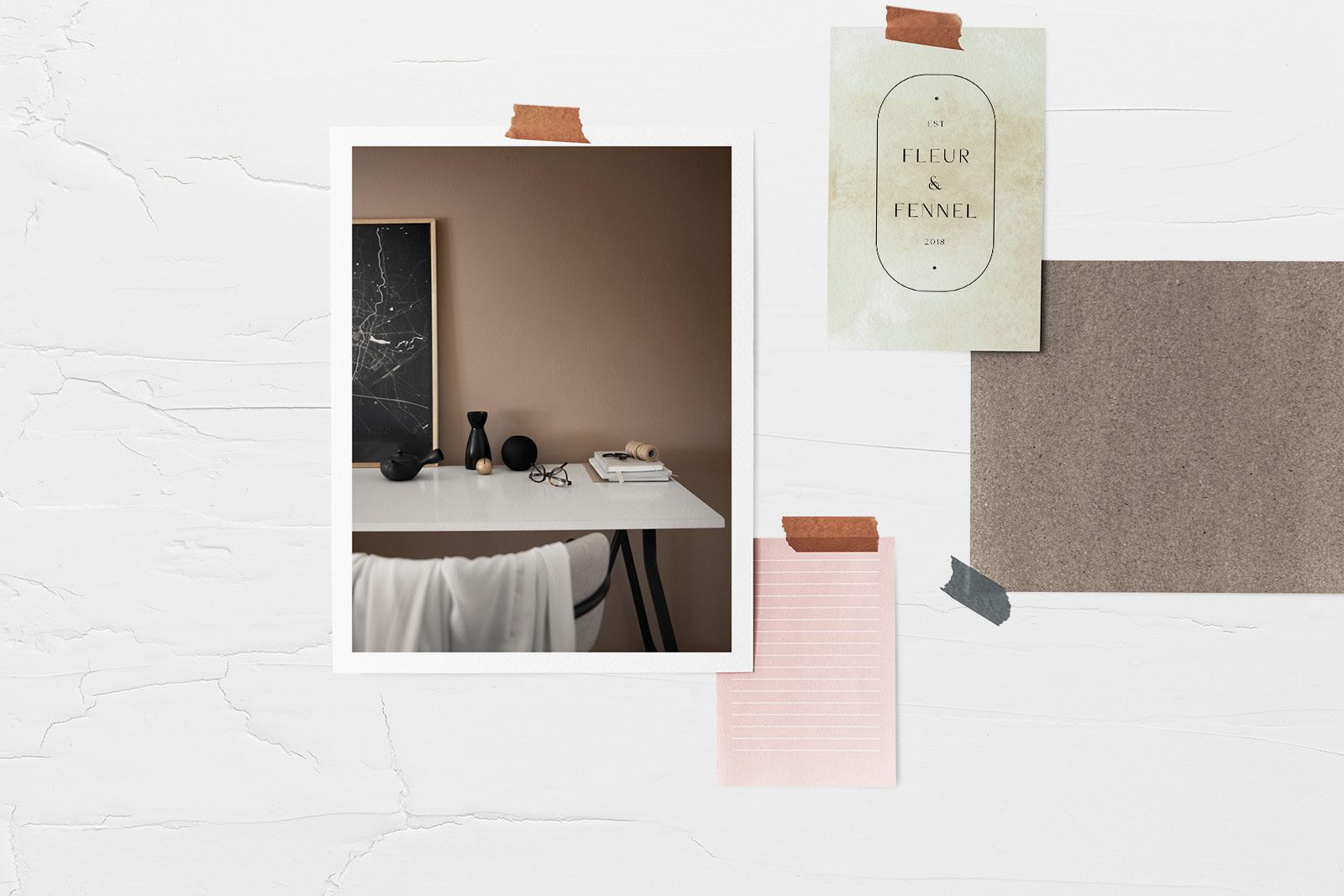
Travel Memorabilia: Vintage maps, old postcards from favorite destinations, ticket stubs, or brochures from a significant trip. These make fantastic, affordable additions to a gallery wall.
-
Mid-Century Prints & Posters: Think vintage travel posters (like those promoting Paris or Italian Riviera), old patent prints (blueprints of cameras or motorcycles), or faded advertising prints (like old Coca-Cola or automotive ads).
-
Vintage Illustrations: Botanical illustrations, anatomical drawings, or pages pulled from old books (like bird guides or architectural manuals) all carry an elegant, historical weight.
-
Childhood Art: Frame a select few pieces of your own or your children’s early drawings. When framed and displayed purposefully, they gain gravitas and sentimentality.
Framing Strategies for Maximum Impact
How you frame and display nostalgic art is just as important as the art itself.
-
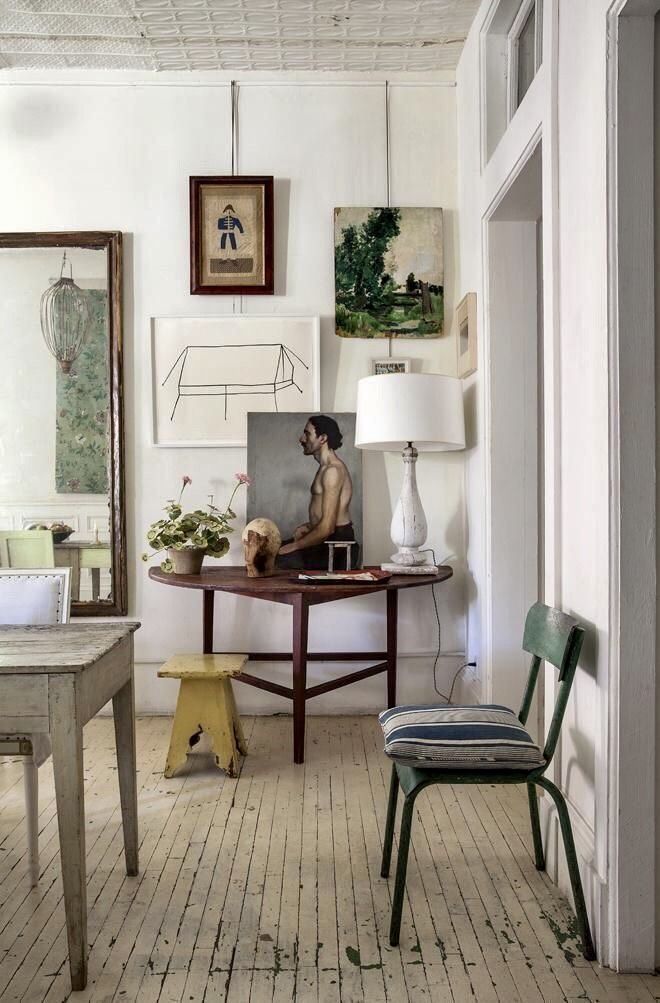
The Mix-and-Match Gallery Wall: This is the ideal way to showcase a collection. Use a variety of frame sizes, colors (mix gold, black, and wood tones), and matting widths. The diversity reflects the collected, organic nature of nostalgia itself.
-
The Statement Piece: Use one very large piece of nostalgic art—perhaps a vintage map or a magnified family photo—to anchor a space above a sofa or mantel. The size gives the historical image a powerful modern presence.
-
Matting Matters: Matting (the white border inside the frame) adds a professional, museum-like quality. Use wide, crisp white matting for old photos or small, delicate prints to give them visual weight and draw the eye in.
-
Embrace the Imperfect: Don’t worry about faded colors, slight tears, or age spots. These imperfections are part of the story. Use distressed or antique frames to celebrate the aged quality of the art.
By purposefully using framed nostalgic art, you are doing more than decorating; you are creating a home that is layered with memories, warmth, and truly unforgettable personal style.