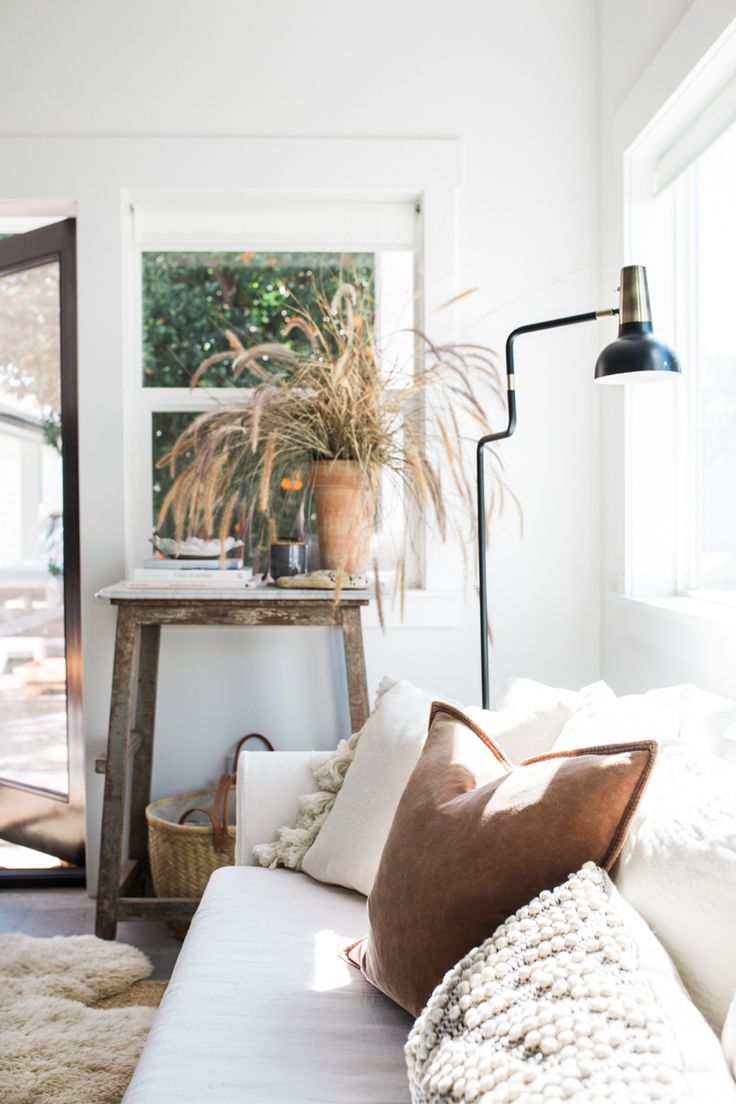
A connection with nature plays a vital role in human wellbeing. Modern lifestyles often keep people indoors for long periods, increasing the importance of designing homes that reconnect occupants with the natural world. Research published by The Conversation explored responses from more than 38,000 people worldwide and found that stronger connections to nature are closely linked with higher levels of wellbeing, happiness, and life satisfaction. As a result, more homeowners are Bringing the Outdoors In. This growing awareness has encouraged architects and homeowners to incorporate more natural elements into living spaces.
Biophilic design has emerged as one of the leading approaches for achieving this goal. By integrating natural light, greenery, outdoor views, and organic forms into interiors, biophilic design creates healthier and more comfortable environments. Curved windows have become an important feature within this movement because they enhance visibility, maximize light, and create a more seamless relationship between indoor and outdoor spaces.
How Curved Windows Are Customized for Modern Homes
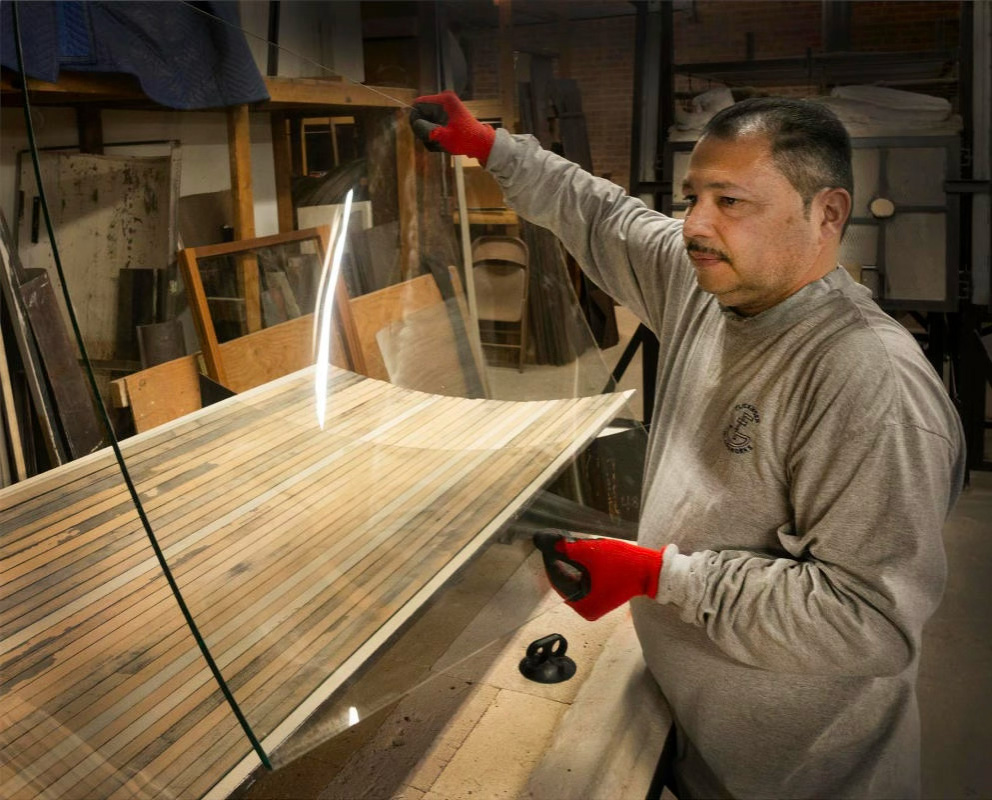
Curved windows are a form of customized glass designed to fit specific architectural needs. Unlike traditional flat panes, curved glass can be molded into a variety of shapes and dimensions, allowing architects to create unique structures that blend functionality with aesthetics.
The manufacturing process involves heating glass until it becomes flexible enough to bend into a desired form. Once shaped, the glass is carefully cooled to maintain strength and durability. This flexibility means curved windows can be integrated into many different types of buildings, from contemporary homes to large commercial spaces. The curved windows by Flickinger Glassworks showcase how a customized approach allows homeowners to create expansive openings that frame outdoor landscapes in a more natural and immersive way. Curved windows also soften architectural lines, making interiors feel more fluid and organic. This quality aligns closely with the goals of biophilic design, which seeks to mirror the forms and patterns found in nature.
Maximizing Natural Light
One of the greatest strengths of curved windows is their ability to maximize natural light. Their shape allows sunlight to enter from multiple angles, distributing illumination more evenly throughout a room. This creates brighter interiors that feel open and welcoming.
Studies from the Cleveland Clinic show that natural light contributes to both physical and mental wellbeing. Exposure to daylight helps regulate circadian rhythms, which influence sleep quality, energy levels, and overall health. Bright, naturally lit spaces also improve mood and create a greater sense of comfort within the home.
Curved windows enhance these benefits by reducing harsh shadows and increasing the amount of usable daylight indoors. In modern homes, this can reduce reliance on artificial lighting while creating a more uplifting and calming atmosphere.
Improving Outdoor Visibility and Connection
Curved windows expand sightlines, allowing homeowners to experience wider and more immersive views of the outdoors. Traditional flat windows create boundaries that limit perspective, while curved designs provide a more panoramic experience.
This expanded visibility strengthens the connection between interior spaces and the surrounding environment. Gardens, trees, water features, and changing weather conditions become part of the everyday living experience. The result is a home that feels more integrated with nature rather than separated from it.
The ability to see greenery and natural landscapes has measurable benefits for wellbeing. Outdoor views can reduce stress, improve concentration, and create a stronger sense of relaxation. Curved windows amplify these effects by making nature more visually present throughout the home.
What Are the Benefits of Biophilic Design?
Biophilic design offers a wide range of benefits that extend beyond aesthetics. The University of the Built Environment highlights how biophilic environments support mental health, improve productivity, and enhance overall quality of life. Spaces that incorporate natural elements often feel calmer and more restorative, which can reduce stress and mental fatigue.
Biophilic design also contributes to physical wellbeing. Improved access to natural light and ventilation creates healthier indoor environments, while connections to greenery encourage relaxation and emotional balance. In workplaces and educational settings, biophilic design has been linked to better focus, creativity, and engagement.
Curved windows strengthen these benefits by acting as a bridge between indoor and outdoor spaces. Their organic forms and expansive views align with the principles of biophilic design, helping create homes that feel more connected to nature and more supportive of wellbeing.
Enhancing Aesthetics Through Organic Forms
Curved windows also contribute to the visual appeal of a home. Their smooth lines and flowing shapes reflect patterns commonly found in nature, such as waves, leaves, and landscapes. This creates a softer and more harmonious environment compared to rigid geometric structures.
In modern homes, curved windows often become focal points that define the character of a space. They create a sense of openness and elegance while supporting the broader goals of biophilic design. The combination of beauty and functionality makes them highly desirable in contemporary architecture.
These organic forms also influence how people experience a space emotionally. Curved lines tend to feel more calming and inviting, helping create interiors that encourage comfort and relaxation.
Supporting Healthier Living Environments
The integration of curved windows into biophilic homes supports healthier living in multiple ways. Increased natural light improves daily comfort, while outdoor visibility strengthens emotional wellbeing. Better ventilation and openness also contribute to improved indoor air quality and a more pleasant atmosphere.
Homes designed with biophilic principles often encourage occupants to spend more time engaging with natural surroundings. This interaction can help reduce stress levels, support mindfulness, and create a greater sense of balance in everyday life. Curved windows enhance these experiences by making nature a central part of the home environment.
Conclusion: Curved Windows as a Key Element of Biophilic Design
Curved windows are more than a stylistic architectural feature. They play a meaningful role in strengthening biophilic design by maximizing natural light, improving outdoor visibility, and creating a stronger connection between people and nature.
As homeowners continue to prioritize wellbeing and sustainable living, the demand for biophilic spaces is likely to grow. Curved windows provide a powerful way to achieve these goals, combining customized design with practical health benefits. Their ability to transform interiors into brighter, more open, and nature-connected environments makes them an important feature in the future of modern home design. For more interior design tips, our Little Blue Deer team has written expert articles on this subject.