Creating a beautiful landscape is more than planting flowers or laying down pavers — it’s about striking a balance between structure and life. The artistry of hardscaping and softscaping lies in their ability to complement each other, blending the permanence of stone with the softness of greenery. When thoughtfully combined, these elements transform an ordinary yard into an inviting extension of the home.
Hardscaping: The Backbone of Outdoor Design
Hardscaping refers to the non-living components of a landscape. These include patios, pathways, retaining walls, fire pits, and decorative rock features. In many ways, hardscaping acts as the architectural skeleton of a garden, offering shape, flow, and functionality.
- Patios create outdoor rooms perfect for dining, lounging, or entertaining.
- Pathways guide movement through the space while drawing the eye across key landscape features.
- Retaining walls define elevation changes, prevent erosion, and introduce layered visual interest.
- Gravel beds and concrete stepping stones add both function and texture, contrasting beautifully with surrounding greenery.
For interior designers working on projects that extend into the outdoor space, hardscaping offers a chance to tie interior styles into exterior environments. Natural stone can echo the materials inside a home, and geometric designs can reflect the home’s architectural character. The key is to think of hardscape elements as a form of outdoor furniture and flooring — permanent fixtures that set the tone and structure.
Softscaping: Bringing Life, Color, and Movement
Softscaping brings the landscape to life. It encompasses all living elements: trees, shrubs, flowers, grass, and groundcover. These elements evolve with the seasons, adding dynamic color, scent, and texture to the outdoor environment.
Choosing the right plants for your climate and soil conditions is essential. In places like Portland, native species often thrive with minimal maintenance, offering a sustainable and low-impact approach to softscape design. Whether it’s a wildflower border that attracts pollinators or a sculptural evergreen hedge that anchors the garden through winter, plants are the soul of a landscape.
For homeowners, softscaping presents an opportunity to reflect personal taste — whether it’s through a minimalist Zen garden or a densely planted English-style cottage bed. For designers, it allows for layering and contrast, adding softness against stone and motion against symmetry. The rustling of ornamental grasses, the vibrant pop of seasonal blooms, or the structured form of boxwoods all work together to give the space emotional depth and sensory appeal.
The Synergy of Integration
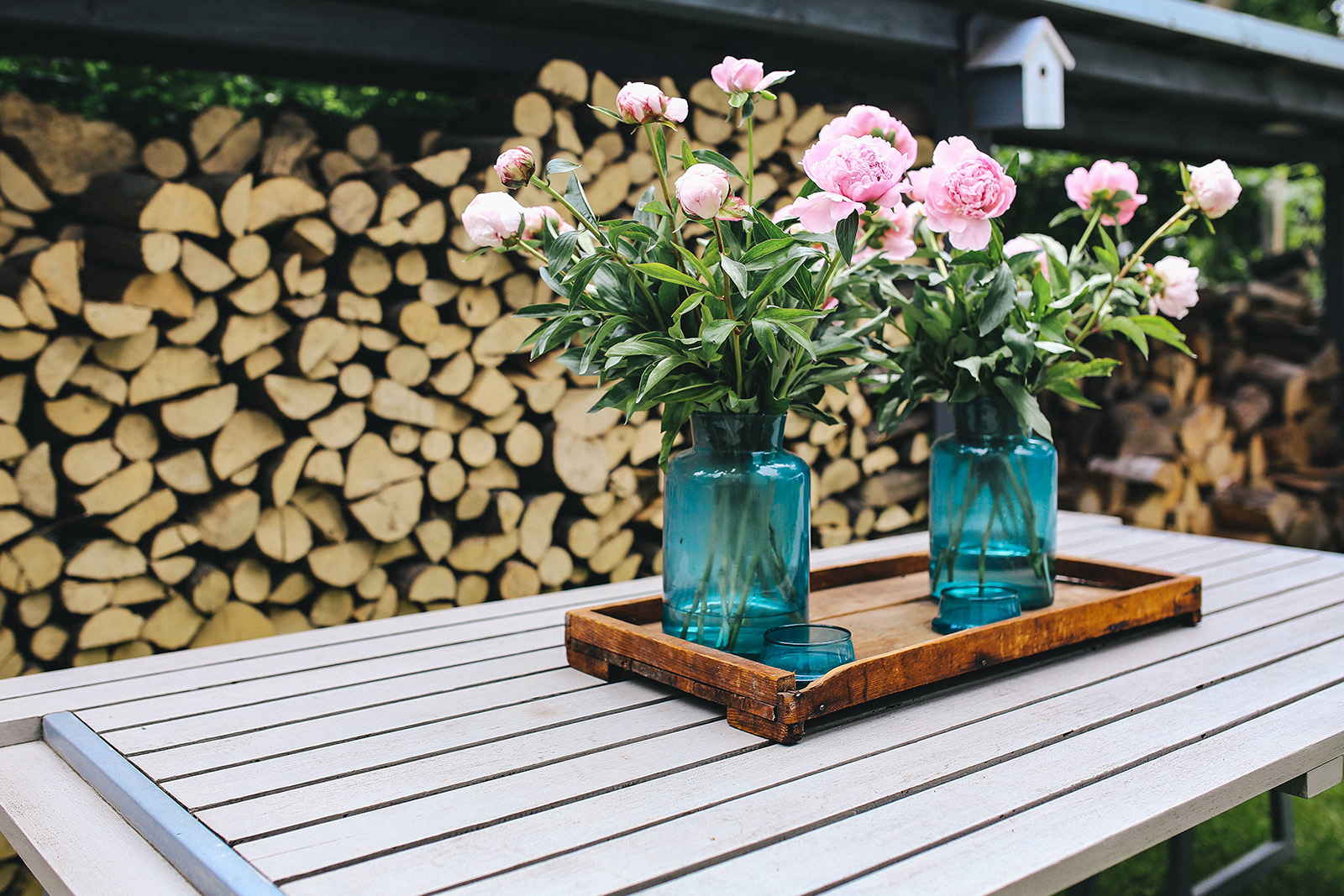
The most successful landscapes don’t rely on one approach alone. Instead, they blend hardscaping and softscaping into a cohesive vision. A flagstone patio feels more inviting when framed with flowering borders. A water feature becomes a focal point when surrounded by lush greenery. Even utilitarian areas like walkways or driveways can be softened with strategic plantings or framed by planters and lighting.
Strategic planning is essential, especially when addressing functional needs like drainage and grading. In Portland, stump removal after tree clearing can open opportunities for fresh design — replacing dead weight with vibrant planting beds or new stonework that redefines the space. Integrating both disciplines from the start ensures not only visual harmony but also long-term sustainability and ease of maintenance.
Designing for Function and Feeling
Ultimately, hardscaping provides structure, and softscaping provides life. Together, they create outdoor spaces that feel grounded and alive — spaces that invite conversation, contemplation, and connection with nature. For homeowners seeking to increase curb appeal or create a sanctuary, and for interior designers aiming to blend interior elegance with exterior charm, mastering the interplay of hardscaping and softscaping is the path forward.
Author bio: Joel Wangle is a certified arborist and owner of Beaver Tree Service. His dad was the founder of Beaver Tree Service, and as the second-generation owner, Wangle has lived through and experienced the modernization of arboriculture in the Northwest. He brings a physics degree to his work, which gives him a better perspective on forces acting upon a tree. He seeks balance between risk and affection when planning a customer’s personalized tree service.